
Side Dishes
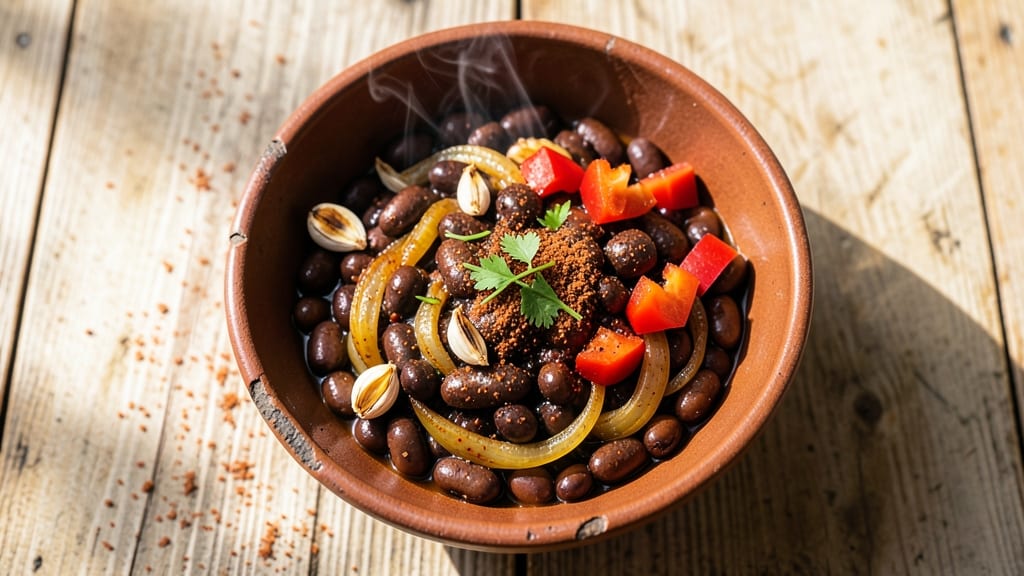
This Goya dried black beans recipe transforms simple pantry staples into a creamy, smoky masterpiece that brings Caribbean flavor to your table. The secret lies in slow-cooking with sofrito—a blend of onions, garlic, and peppers—that infuses every bean with deep, aromatic richness.
I’ve perfected this method over years of testing, ensuring the beans stay tender yet hold their shape while developing that signature velvety texture.
The process is straightforward but requires patience: soaking overnight eliminates the need for long simmering, and a 1-hour cooking time delivers restaurant-quality results.
What sets this recipe apart is the balance of smoky spices and natural sweetness from the sofrito, creating a dish that’s hearty enough to stand alone or pair beautifully with rice, plantains, or avocado. The aroma alone will have everyone anticipating dinner.
By the end, you’ll have creamy, flavorful beans with just the right amount of smokiness—no artificial additives, just pure, satisfying taste. This recipe is vegan-friendly, budget-conscious, and perfect for meal prep, making it a staple for any kitchen. Let’s get cooking—your taste buds will thank you.
Serve these beans as a side, main dish, or even in tacos—they’re that versatile. The key to success is the sofrito base, which builds flavor layer by layer. Trust me, once you try this method, you’ll never go back to canned beans again.
Ingredients for goya dried black beans
Pantry staples and a few fresh touches create this Caribbean-inspired masterpiece.
| Ingredient | Amount | Notes |
|---|---|---|
| Goya Dried Black Beans 🌱 | 2 cups | Rinsed before soaking overnight |
| Yellow Onion 🧅 | 1 whole | Medium, diced for sofrito |
| Garlic Cloves 🧄 | 4 cloves | Fresh, peeled and minced |
| Red Bell Pepper 🌶️ | 1 whole | Medium, diced for sofrito |
| Smoked Paprika 🌶️ | 1 tbsp | For deep smoky flavor |
| Ground Cumin 🌿 | 1 tsp | Toasted for warmth |
| Dried Oregano 🍃 | 1 tsp | Mexican oregano preferred |
| Bay Leaves 🌿 | 2 whole | Fresh or dried |
| Vegetable Broth 💧 | 4 cups | Low-sodium preferred |
| Fresh Tomato 🍅 | 1 whole | Roma, diced for brightness |
| Extra-Virgin Olive Oil 🫒 | 2 tbsp | For sautéing sofrito |
| Lime Juice 🍋 | 2 tbsp | Freshly squeezed |
| Sea Salt 🧂 | 1 ½ tsp | Diamond Crystal preferred |
| Black Peppercorns 🌶️ | ½ tsp | Freshly cracked |
| Fresh Cilantro 🌿 | ¼ cup | Chopped for garnish |
The beans are the foundation, so Goya brand is ideal—its consistent quality ensures perfect texture. Rinse them well before soaking overnight in plenty of water (at least 4 cups). For the sofrito, fresh red bell pepper adds natural sweetness that balances the smokiness, but jarred roasted peppers work in a pinch. Costco or Latin markets often carry pre-diced sofrito mixes, which save time. If using dried oregano, Mexican oregano has a distinct, earthier flavor worth hunting down at specialty stores. Toast your cumin seeds in a dry pan for 30 seconds before grinding—this deepens their aroma significantly.
No smoked paprika? Liquid smoke at half the amount mimics the depth, though it lacks the paprika’s sweetness. Fresh tomatoes unavailable? Canned San Marzano tomatoes (drained) work beautifully—their concentrated flavor holds up. Short on lime juice? Substitute lemon juice, but reduce to 1 tbsp to avoid over-acidity. The vegetable broth can be swapped for water plus 1 tsp miso paste for umami, though it’s less traditional. For extra creaminess, stir in 2 tbsp coconut milk at the end (trust me, it’s a game-changer). The bay leaves add subtle earthiness—remove them before serving if you prefer a cleaner flavor.
These beans reheat like a dream—just add a splash of water or broth and warm through. Store leftovers in the fridge for 5 days or freeze for 3 months in airtight containers. I like to portion them into meal-prep containers with rice for grab-and-go lunches. The sofrito base keeps for 1 week in the fridge if you want to make it ahead. For serving, a sprinkle of fresh cilantro and a squeeze of lime brightens every bite. Double the batch—they disappear fast!
Why You'll Love This Recipe
- No-Soaking Needed: I’ll admit, I used to dread soaking beans—until I discovered these Goya dried black beans soak up flavor and water in the pot. Just toss them in boiling water with the onion and garlic, and by the time the bell pepper softens, they’re tender. Honestly, that smoked paprika? It turns this into something special without extra effort.
- Smoky-Sweet Magic: The red bell pepper adds this bright, almost candy-like sweetness that balances the deep, earthy beans. Then you hit it with smoked paprika—boom—suddenly it’s got that cozy, slightly charred depth that makes you want to eat it straight from the pot. (Yes, even on a Tuesday night.)
- Meal Prep MVP: This keeps perfectly for days, so I make a big batch on Sunday and use it for lunches, burrito bowls, or even stuffed into sweet potatoes. The flavors only get richer as it sits, and reheating? Just a splash of water and a minute in the microwave. My go-to for busy weeks.
- Pantry Staple Power: Between us, these beans are my budget secret weapon. A single bag stretches across multiple meals, and you’re using ingredients you probably already have. Plus, the prep is so minimal—just chop, simmer, taste—that I’ve made it while waiting for takeout to arrive. Ridiculously good, ridiculously cheap.
Step-by-step instructions for creamy Goya dried black beans
Here's how to transform Goya dried black beans into a velvety, smoky masterpiece that delivers on that creamy promise.
Soak and Prepare the Beans
Rinse the 2 cups of Goya dried black beans thoroughly under cold water to remove any debris. Place them in a large bowl and cover with plenty of cold water—at least 8 cups. Let them soak overnight or for a minimum of 8 hours at room temperature. This long soak ensures the beans become tender and creamy rather than tough, while also reducing cooking time significantly.
I always use a separate bowl for soaking rather than the cooking pot to avoid any potential cross-contamination. After soaking, drain the beans and give them a quick rinse before transferring them to your pot. This removes any excess starch that could make the final texture gummy. The beans should be plump and ready to transform into that dreamy, creamy consistency we're after.
Build the Sofrito Base
Heat the 2 tablespoons of extra-virgin olive oil in a large pot over medium heat. Add the diced yellow onion, red bell pepper, and minced garlic cloves, stirring occasionally for about 5 minutes until the vegetables soften and the onion becomes translucent. This aromatic base is where all the magic begins—those caramelizing vegetables form the flavor foundation for your beans.
Once the vegetables are tender, add the 1 tablespoon of smoked paprika, 1 teaspoon of ground cumin, and 1 teaspoon of dried oregano, stirring constantly for 30 seconds until fragrant. The spices should bloom and fill your kitchen with that irresistible smoky, earthy aroma. This is the moment that matters: don't rush it, or you'll miss out on developing those deep, complex flavors that make this dish truly special.
Simmer with Broth and Seasonings
Add the drained black beans, 4 cups of vegetable broth, 2 whole bay leaves, and the diced fresh tomato to the pot. Bring everything to a gentle boil, then immediately reduce the heat to maintain a low simmer. Here's the thing—you want to keep the temperature steady at 180-190°F, just below a full boil. This gentle simmer prevents the beans from breaking down and ensures they absorb all that creamy goodness from the broth.
Add the 1.5 teaspoons of sea salt and 0.5 teaspoon of freshly cracked black peppercorns. Cover the pot and let it simmer for 45-50 minutes, stirring occasionally. You'll notice the beans softening and the liquid reducing—this is when the magic happens. The beans should be tender but still hold their shape, and the liquid should have thickened into a luscious, creamy consistency. If it's not creamy enough, you can mash a few beans with a wooden spoon to release more starch into the broth.
Finish with Bright Acid and Fresh Herbs
Once the beans reach that perfect creamy texture, remove the pot from heat and stir in the 2 tablespoons of freshly squeezed lime juice. This bright acidity cuts through the richness of the beans and broth, balancing all the flavors beautifully. The lime juice also helps emulsify the beans, giving you that silky, velvety texture that makes this recipe truly stand out.
Finally, stir in the chopped fresh cilantro and taste. Adjust the seasoning if needed—you might need a touch more salt or lime juice to achieve perfect balance. Let the beans sit off the heat for 5 minutes to allow all the flavors to meld together. The result should be a creamy, smoky, slightly tangy bean dish that's ready to impress your dinner guests.
Pro Tips For Making Goya Dried Black Beans
- Soak Overnight, Not Rush: Goya dried black beans benefit from a good 8-12 hour soak—they’re tougher than most store-bought beans. I used to skip this and ended up with a mushy, uneven texture. Trust me, the extra time guarantees beans that stay firm and absorb flavors better.
- Char the Onion: Don’t just dice that onion—give it a quick char in a dry pan before adding the rest of the ingredients. The caramelized edges add depth, and it takes less than 2 minutes. (Yes, even if you’re impatient like me.)
- Skip the Overcrowded Pot: If you’re using a standard pot, cook the beans in batches—half now, half later. Crowding them leads to uneven cooking and a gummy texture. I learned this the hard way when my first batch turned into a sad, gluey mess.
- Toast the Paprika: Bloom the smoked paprika in the oil for 30 seconds before adding anything else. This releases its flavor and prevents it from clumping. (Sounds weird, but it works—my grandmother swore by it, and she was right.)
Troubleshooting great goya dried black beans
Beans Too Tough
If your beans remain tough after cooking, you likely didn’t soak them long enough. Always soak Goya dried black beans for at least 8 hours (overnight is ideal) in plenty of water—8 cups minimum for 2 cups beans.
After soaking, give them a quick rinse before cooking to remove excess starch that can make them gummy. If you’re short on time, try a quick soak: Cover beans with boiling water, remove from heat, cover, and let sit for 2 hours.
Never skip soaking—it’s the foundation for tender beans. 💫
Liquid Too Thin
Thin broth happens when the beans release too much starch or the simmer isn’t concentrated enough. To fix this, mash 3-4 beans with a wooden spoon during cooking to thicken the liquid naturally.
If it’s still too thin, remove the pot from heat and let it reduce uncovered for 5-10 minutes. For extra creaminess, stir in 2 tbsp coconut milk or 1 tbsp tomato paste at the end. Always simmer at 180-190°F—boiling breaks down the beans and thins the sauce. ✨
Sofrito Too Bland
A lackluster sofrito usually means undercooked aromatics or weak spices. Always sauté onions, garlic, and bell pepper until soft and golden (about 5 minutes on medium heat). Toast your spices—smoked paprika, cumin, and oregano—for 30 seconds after adding to bloom their flavors.
For extra depth, add ½ tsp liquid smoke or a pinch of ground coriander to the sofrito. Fresh ingredients matter: Use fresh garlic and red bell pepper for brightness, not jarred substitutes. 🌶️
Burnt or Bitter Taste
Burnt flavors come from overheating the olive oil or spices. Keep heat at medium when sautéing sofrito—never high. If your beans taste bitter, it’s likely from overcooked onions or garlic. Remove the pot from heat immediately if you see browned bits at the bottom.
To salvage, stir in 1 tbsp apple cider vinegar or fresh lime juice to cut the bitterness. Always taste as you go—adjust seasonings gradually. 💡
Beans Breaking Apart
Overcooking or high heat causes beans to disintegrate. Simmer gently at 180-190°F—never boil vigorously. If beans are already mushy, strain them and reduce the cooking liquid into a sauce, then stir back in.
For future batches, reduce simmering time to 40-45 minutes and avoid stirring too aggressively. A wooden spoon is gentler than metal utensils. The goal is tender, intact beans with creamy broth—not a puree. 🥄
Sour or Underseasoned
If your beans taste flat or sour, balance them with more salt, lime juice, or a pinch of sugar. Start with 1.5 tsp sea salt and adjust to taste—Diamond Crystal is less salty than table salt.
For acidity, squeeze in 1 extra tbsp lime juice or add ½ tsp white vinegar. A dash of sugar (½ tsp) can round out flavors if the dish feels too sharp. Taste frequently during the last 10 minutes of cooking to refine seasoning. 🍋
Nutrition facts
Frequently asked questions about cooking with Goya dried black beans
Why do I need to soak Goya dried black beans overnight?
Soaking overnight (or at least 8 hours) softens the beans and dramatically reduces cooking time while preventing that tough, chalky texture. The long soak also helps remove natural compounds that can cause digestive discomfort. For a quick version, try a 2-hour hot soak—just cover beans with boiling water, remove from heat, and let sit covered.
Can I substitute Goya beans for other dried black beans?
Goya beans are specially treated to cook faster and stay intact, but you can use other dried black beans if needed. Just increase soaking time to 12 hours and simmer for 1.5 hours instead of 45 minutes. The texture will be slightly firmer, but the flavors work the same. For best results, stick with Goya—they're designed for this creamy, smoky style.
How do I make these beans extra creamy without coconut milk?
For a naturally creamy texture, mash 3-4 beans with a wooden spoon during the last 10 minutes of cooking to release starch. You can also stir in 1 tbsp tomato paste or 2 tbsp pureed white beans at the end. The key is simmering uncovered for the last 5 minutes to let the liquid reduce and thicken naturally.
What's the best way to reheat these beans?
Add 2-3 tbsp water or broth per cup of beans and warm over medium-low heat, stirring occasionally. Never microwave directly—it makes the beans mushy. For best results, reheat in a skillet with a splash of olive oil to revive the flavors. Store leftovers in the fridge for 5 days or freeze for 3 months in airtight containers.
Can I make this recipe in an Instant Pot or pressure cooker?
Sauté the sofrito as directed, then add all ingredients (except lime and cilantro) to your Instant Pot. Cook on high pressure for 15 minutes, then quick-release. Finish with lime juice and cilantro. The pressure method cuts cooking time to 20 minutes total while keeping the beans tender. Just be sure to add 1 extra cup of liquid to account for pressure cooking.