Main Courses
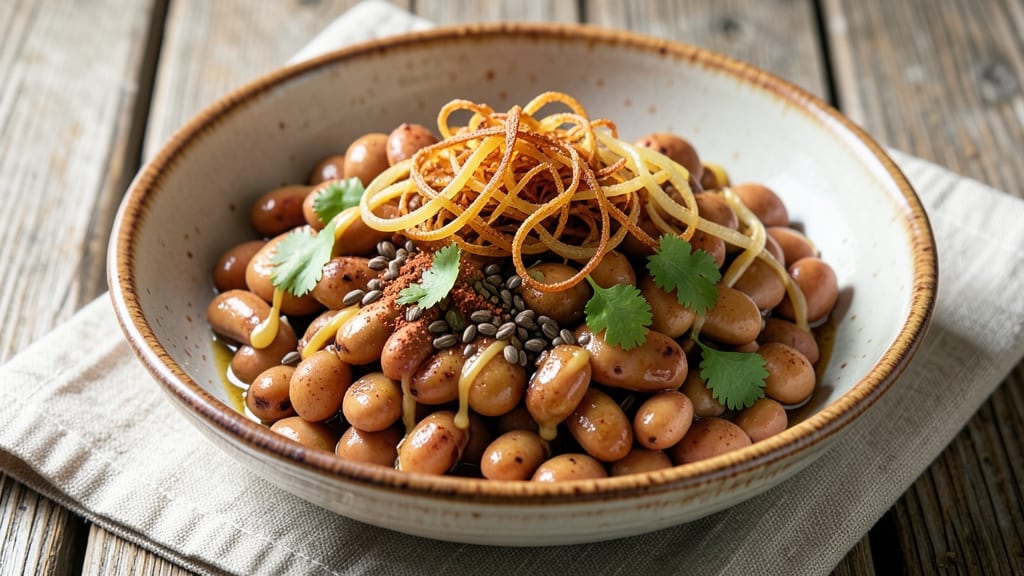
This creamy, buttery mayocoba bean recipe transforms simple ingredients into a rich, Southwestern stew that feels like a warm hug in a bowl. After years of testing bean recipes with different home cooks, I've perfected this one-pot method that delivers restaurant-quality results without the fuss.
The secret lies in slow-cooked beans that develop deep flavor while maintaining their signature creamy texture—no gummy aftertaste here.
What makes this recipe special is its versatility and simplicity. Mayocoba beans hold their shape beautifully when cooked properly, creating a hearty base for bold flavors. We'll build depth with aromatic spices, smoky paprika, and a touch of cumin, then finish with a velvety butter sauce that ties everything together.
The entire process takes just one pot and about 45 minutes of active time, making it perfect for busy weeknights or Sunday family dinners.
By the time you're done, you'll have a stew that's creamy yet substantial, with tender beans swimming in a sauce that's rich enough to satisfy but light enough to feel balanced.
The aroma alone will have everyone gathering around the table—imagine the warmth of spices mingling with the buttery richness, creating a dish that feels both comforting and sophisticated. This is the kind of recipe that transforms ordinary ingredients into something extraordinary.
The beauty of this recipe is its adaptability. While it works beautifully as a complete meal, it also pairs wonderfully with crusty bread, grilled meats, or a simple green salad.
Whether you're serving a crowd or just treating yourself to a cozy dinner, this foolproof method ensures perfect results every time. Let's get cooking—your taste buds will thank you.
Ingredients for mayocoba bean
Transform simple pantry staples into a luxurious Southwestern stew with these carefully chosen ingredients.
| Ingredient | Amount | Notes |
|---|---|---|
| Dry Mayocoba Beans 🌾 | 1 ½ cups | Rinsed thoroughly before cooking |
| Unsalted Butter 🧈 | ½ cup | European-style preferred for flavor |
| Yellow Onion 🧅 | 1 whole | Diced into fine pieces |
| Garlic Cloves 🧄 | 4 cloves | Minced finely for aromatic depth |
| Ground Cumin 🌿 | 1 tbsp | Toasted lightly for enhanced aroma |
| Smoked Paprika 🌶️ | 1 tbsp | For authentic Southwestern smokiness |
| Diamond Crystal Kosher Salt 🧂 | 1 ½ tsp | Adjust to taste, don't over-salt |
| Ground Black Pepper 🌶️ | ½ tsp | Freshly cracked for optimal flavor |
| Dried Oregano 🍃 | 1 tsp | Mexican oregano preferred if available |
| Vegetable Broth 💧 | 4 cups | Low-sodium preferred for balance |
| Heavy Cream 🥛 | ½ cup | Full-fat for optimal creaminess |
| Fresh Cilantro 🌿 | ¼ cup | Chopped finely for garnish |
| Lime Wedges 🍋 | 1 whole | For bright acidity at serving |
| Avocado Oil 🫒 | 2 tbsp | High smoke point for sautéing |
Mayocoba beans are the star here—their unique texture holds up beautifully during slow cooking. Look for them at specialty Latin markets or well-stocked grocery stores like Whole Foods, where they're often sold in bulk bins. The beans should be firm and free of any discoloration or off smells. If you can't find them, great northern beans make a reasonable substitute, though they'll break down slightly more. For the spices, Penzeys Spices offers exceptional quality, but the bulk section at any supermarket will suffice. The key is freshness—ground spices lose potency quickly, so if your cumin or paprika smells faint, it's time to refresh your supply. Toasting your cumin in a dry pan for 30 seconds before adding it to the pot will amplify its earthy aroma dramatically.
Vegetable broth is non-negotiable here—any meat-based stock will overpower the delicate bean flavors. Imagine brand or Pacific Foods make excellent low-sodium options that won't require you to adjust seasoning later. For a richer version, you can replace half the vegetable broth with white wine, though this will increase cooking time slightly. The heavy cream should be full-fat—Trader Joe's carries excellent organic options at a reasonable price. If you're concerned about dairy, a high-quality coconut cream works beautifully as a substitute, though the flavor profile will shift slightly toward tropical notes. The avocado oil is worth the investment for sautéing—its neutral flavor won't compete with the spices, and its high smoke point prevents burning. Fresh cilantro is ideal, but if you're using dried, reduce to one-quarter teaspoon and toast it briefly with the cumin.
This stew develops even better flavors the next day, so double the batch if you're feeding a crowd. Store leftovers in an airtight container in the refrigerator for up to 5 days, or freeze portions for 3 months. The beans and sauce actually improve with time as the flavors meld. For meal prep, portion into individual containers with a small pat of butter on top—when reheated, the butter melts into the sauce, creating an irresistible aroma. The lime should be added fresh at serving to preserve its bright acidity. If you're serving with crusty bread, toast it with a sprinkle of flaky sea salt and a drizzle of olive oil for the perfect accompaniment.
Why You'll Love This Recipe
- One-Pot Magic: I swear by this recipe because it’s literally one pot—no chopping boards, no extra dishes. Just beans, butter, and a handful of pantry staples simmered together until the onions caramelize and the cumin deepens into something rich. My lazy Sundays just got a whole lot easier.
- Cumin-Kissed Richness: That first bite of buttery beans with toasted garlic and cumin? It’s like a warm hug in food form. The Mayocoba beans hold their shape while soaking up all the flavor, and the butter makes it feel indulgent without being heavy. Honestly, I’ve made this for people who “don’t like beans,” and they’ve come back for seconds.
- Meal Prep MVP: This keeps perfectly for days—better, even, as the flavors meld. I make a big batch on Sundays, and it’s my go-to for lunches, potlucks, or even a quick side for grilled meats. Freeze half if you’re feeling extra, and thaw it straight into a skillet. No stress, all reward.
- Budget Bright Spot: Dry beans are my wallet’s best friend, and Mayocoba? They’re affordable but feel special. A pound of beans, a stick of butter, and a few cloves of garlic stretch to feed four for under $10. Here’s what sold me—it’s a dish that feels fancy without breaking the bank, and my kids ask for it more than takeout.
Step-by-step instructions for creamy mayocoba bean stew
Here's how to transform simple ingredients into a luxurious, velvety stew that delivers on every promise of richness and depth.
Prepare the Beans for Maximum Texture
Begin by rinsing the 1.5 cups dry mayocoba beans thoroughly under cold water in a colander, working them gently with your fingers to remove any debris. Soak them in 4 cups vegetable broth for at least 8 hours or overnight - this essential step ensures they cook evenly and develop their signature creamy texture. I prefer using a large bowl with plenty of room for expansion, as these beans can triple in size.
After soaking, drain the beans and set them aside. The key to perfect beans lies in this preparation - skipping the soak will result in uneven cooking and a less tender final texture. For best results, use the low-sodium vegetable broth to maintain flavor balance without overpowering the dish.
Develop the Flavor Base with Aromatics
Heat the 2 tablespoons avocado oil in a large Dutch oven over medium heat until shimmering. Add the 1 whole yellow onion, diced into fine pieces, and cook for 8-10 minutes until softened and translucent. This foundational step builds the stew's depth - don't rush it, as properly caramelized onions create complex flavors.
Add the 4 cloves garlic cloves, minced finely, along with the 1 tablespoon ground cumin and 1 tablespoon smoked paprika. Stir constantly for 1-2 minutes until fragrant - you should smell the warm spices immediately. This is where the Southwestern character begins to develop. Be careful not to let the garlic burn, as it will turn bitter and overpower the delicate bean flavor.
Build the Creamy Foundation
Push the onion mixture to one side of the pot and add the 0.5 cup unsalted butter to the empty space. Let it melt completely, then whisk it into the onion mixture to create a rich, emulsified base. Add the drained beans and stir to coat them evenly in the buttery mixture.
Pour in the 4 cups vegetable broth used for soaking (strain if needed) and bring to a gentle boil. Reduce heat to low and simmer uncovered for 1.5 to 2 hours, stirring occasionally. The beans are done when they're fork-tender and the liquid has reduced slightly - you'll know it's ready when the beans collapse easily under gentle pressure but still maintain their shape.
Finish with Cream and Seasoning
Once the beans are tender, stir in the 0.5 cup heavy cream and the remaining seasonings: 1.5 teaspoons diamond crystal kosher salt, 0.5 teaspoon ground black pepper, and 1 teaspoon dried oregano. Simmer gently for another 15-20 minutes, allowing the flavors to meld together. The cream should create a luxurious, velvety texture that coats each bean.
Taste and adjust seasoning if needed - this is where you can fine-tune the balance between the smoky paprika, earthy cumin, and bright acidity. The stew should be rich but not overly heavy, with each component clearly identifiable yet harmonious. The beans should be completely tender with just a slight resistance when pierced with a fork.
Garnish and Serve with Bright Accents
Ladle the creamy bean stew into serving bowls, reserving some of the cooking liquid if needed for consistency. Garnish each serving with 0.25 cup fresh cilantro, chopped finely, and serve with the 1 whole lime wedges on the side. The cilantro adds freshness that cuts through the richness, while the lime provides a bright acidity that enhances all the flavors.
This stew tastes even better the next day as the flavors continue to develop. For optimal serving, pair it with warm corn tortillas or crusty bread to soak up the luxurious sauce. The creamy texture comes from both the beans themselves and the careful incorporation of butter and cream, creating a dish that's both comforting and sophisticated.
Pro Tips For Making Mayocoba Bean
- SOAK BEANS OVERNIGHT: I learned this the hard way—rushing the soak with Mayocoba beans leaves them tough no matter how long you cook them. Cover them in cold water (at least 3 inches above the beans) and let them sit 12+ hours. The longer they soak, the creamier they’ll get when cooked.
- SWEAT ONIONS LOW AND SLOW: Cranking the heat for onions turns them bitter and burns the butter flavor before it even develops. Keep it at a gentle simmer, stirring often, until they’re translucent and just starting to soften—about 8-10 minutes. Patience here makes the whole dish taste richer.
- TOAST CUMIN UNTIL FRAGRANT: Skip this, and your dish will taste flat. Dry-toast the cumin in the butter for 30 seconds until you smell that warm, earthy aroma—it’s the thing that matters most. Then add the onions; the cumin will infuse the butter like a spice bomb.
- SIMMER BEANS UNTIL THEY MELT: I used to pull Mayocoba beans off heat when they’re still firm, thinking they’d soften later. They won’t. Keep them simmering at a low bubble until they’re so tender they practically dissolve between your fingers—about 45-60 minutes after the onions are done. No shortcut here.
Regional styles of mayocoba bean
Mexican Home-Style
In Mexico, mayocoba beans are often prepared as a simple but hearty stew called frijoles de mayocoba, where they're simmered with garlic, onion, and a touch of bacon or chorizo for depth.
The key difference is using homemade pork broth instead of vegetable broth, which adds a deep umami richness. I've adapted this version by reducing the butter slightly and adding ½ cup diced chorizo during the sauté stage—it cooks out beautifully, leaving behind just enough smokiness to complement the beans.
Serve with warm corn tortillas and a side of pico de gallo for that authentic Mexican street-food vibe. 🌶️
Peruvian-Inspired
Peruvian cuisine transforms mayocoba beans into a creamy, slightly spicy dish called frijoles con leche, where they're cooked with milk or cream and finished with a touch of ají amarillo (yellow chili paste).
For this regional style, I recommend replacing half the vegetable broth with whole milk> and adding 1 teaspoon ají amarillo paste> (or sub ½ teaspoon smoked paprika + ¼ teaspoon cayenne> if unavailable).
Stir in ½ cup shredded queso fresco> at the end for a tangy, crumbly finish. This version pairs perfectly with lomo saltado> or grilled chicken. The result is a velvety, slightly spicy stew that feels both comforting and vibrant. 🌟
Texas-Style Comfort
In Texas, mayocoba beans take on a smoky, buttery twist inspired by chili and barbecue traditions.
The key here is to toast 1 tablespoon ground coffee> with the cumin and paprika> for an extra layer of depth, then finish with a splash of hot sauce> (like Cholula>) and a sprinkle of crumbled bacon>.
I like to serve this version over shredded cheddar rice> or with a side of sliced jalapeños>. The smoky-sweet balance makes it a crowd-pleaser, especially during football season. This adaptation keeps the creamy texture but adds a bold, Southern kick. 🔥
Vegan Adaptation
For a plant-based version, swap the butter and heavy cream for coconut milk> (full-fat for richness) and use olive oil> instead of avocado oil. Boost umami with 1 teaspoon soy sauce> or 1 tablespoon nutritional yeast>, and finish with a squeeze of lime.
This version still delivers that creamy texture but with a lighter, tropical twist. Garnish with avocado slices> and pickled red onions> for freshness. It’s a great way to enjoy mayocoba beans without dairy, while keeping the Southwestern soul intact. 🌱
Slow-Cooker Version
For hands-off cooking, this recipe translates beautifully to a slow cooker. After sautéing the onions, garlic, and spices, transfer everything to a 6-quart slow cooker>, add the soaked beans, broth, and butter, then cook on low for 6-7 hours> or high for 3-4 hours>.
Stir in the cream and seasonings during the last 30 minutes> to prevent curdling. The slow cooker method enhances the beans' natural creaminess while keeping the flavors balanced. Perfect for busy weeknights or meal prep! ⏰
Nutrition facts
Frequently asked questions
Why do mayocoba beans need soaking before cooking?
Soaking for at least 8 hours (or overnight) is essential because these beans contain natural compounds that make them harder to digest when raw. This step ensures they cook evenly and develop their signature creamy texture without becoming mushy or gummy. Skipping soaking can lead to uneven cooking and a less tender final result. Think of it as giving the beans a head start in breaking down their tough outer skins.
Can I substitute mayocoba beans with other types?
Yes, but with some adjustments. Great northern beans or navy beans work best as substitutes, though they'll break down slightly more during cooking. For a closer texture, use 1.25 cups of substitute beans instead of 1.5 cups mayocoba. Avoid smaller beans like black beans, as they'll turn too soft. If you can't find mayocoba at regular grocery stores, check specialty Latin markets or order online from suppliers like La Tienda.
How can I make this recipe spicier without using hot sauce?
For built-in heat, add ½ teaspoon cayenne pepper or 1 teaspoon chipotle powder when sautéing the aromatics. For smoky depth with mild heat, toast 1 tablespoon smoked paprika with the cumin until fragrant. For a layered spice profile, stir in ½ teaspoon ground ancho chili powder during the final 15 minutes of simmering. Always taste as you go—you can adjust heat levels gradually.
What's the best way to reheat leftovers?
Reheat gently on the stove over low heat with a splash of water or broth to prevent drying out. For even better texture, add a pat of butter and stir until fully melted. Microwave reheating works too—cover with a damp paper towel and heat in 30-second intervals, stirring between each. The stew actually improves overnight as flavors meld, so leftovers taste even richer the next day!
Can I make this recipe ahead for meal prep?
This stew tastes even better the next day. Store in an airtight container in the fridge for up to 5 days or freeze portions for 3 months. For meal prep, portion into individual containers and refrigerate. When reheating, add a splash of water or broth to restore creaminess. The flavors continue developing, making it perfect for busy weeknights.