
Side Dishes
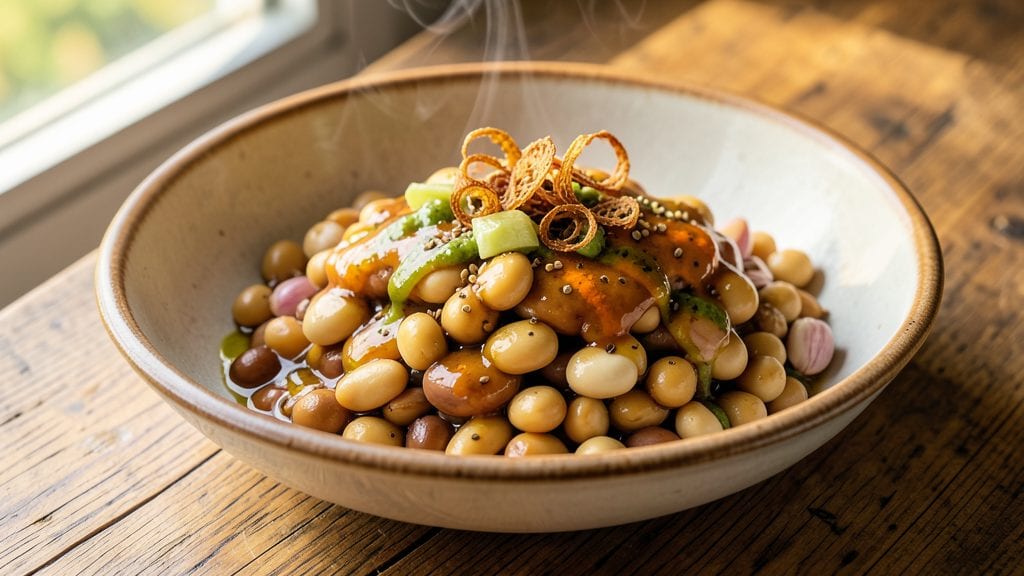
This moong beans recipe transforms simple yellow lentils into a velvety, spiced side dish that comes together in just 20 minutes—perfect for pairing with rice, roti, or curries.
The secret lies in toasting the beans to bring out their natural nuttiness before simmering them in a fragrant blend of cumin, turmeric, and ginger, then blending them into a creamy consistency that feels indulgent yet light.
I developed this version after years of testing traditional moong dal recipes, refining the technique to deliver restaurant-quality texture without requiring overnight soaking.
The beauty of this recipe is its versatility—it works as a standalone dish or as a base for soups and salads, all while being vegan, protein-rich, and packed with fiber.
The key steps involve proper soaking (even a quick 15-minute soak works) and controlling the heat during cooking to prevent the beans from breaking down into mush.
A splash of lemon juice at the end brightens the flavors, while a swirl of ghee or coconut oil adds richness that makes it feel like a celebratory dish rather than a simple side.
What you’ll end up with is a creamy, aromatic moong bean preparation with a smooth yet slightly textured consistency—neither too thin nor too thick. The spices infuse deeply, creating layers of warmth from cumin and cardamom, while the ginger adds a subtle kick.
This recipe proves that plant-based meals can be just as satisfying as their meat-heavy counterparts, with every bite delivering comfort and depth. Ready to elevate your weeknight dinners?
For extra flavor, garnish with fresh cilantro or a drizzle of yogurt before serving. The method scales easily, so double the batch for meal prep or gatherings. Here’s everything you need to bring this dish to life—simple steps, bold flavors, and a result that will have everyone asking for seconds.
Ingredients for moong beans
Simple ingredients transform into a creamy, aromatic moong bean dish that feels indulgent yet light.
| Ingredient | Amount | Notes |
|---|---|---|
| Yellow Moong Beans (Split) 🌾 | 1 cup | Dry, whole or split preferred |
| Extra-Virgin Olive Oil 🫒 | 2 tbsp | For toasting beans |
| Ground Cumin 🌿 | 1 tsp | Freshly toasted for depth |
| Turmeric Powder 🌶️ | ½ tsp | Bright yellow color |
| Fresh Ginger 🧅 | 1 tbsp | Finely grated, aromatic |
| Garlic Cloves 🧄 | 2 cloves | Minced for robust flavor |
| Green Cardamom Pods 🍃 | 4 whole | Lightly crushed for aroma |
| Fresh Cilantro 🌿 | ¼ cup | Chopped for garnish only |
| Lemon Juice 🍋 | 1 tbsp | Freshly squeezed, brightens flavors |
| Unsweetened Coconut Milk 🥥 | ½ cup | Full-fat for creaminess |
| Sea Salt 🧂 | ½ tsp | Adjust to taste |
| Water 💧 | 2 cups | Room temperature preferred |
The quality of your moong beans makes all the difference. Whole or split yellow moong beans from a trusted brand like Patel Brothers or Indian grocery stores ensure the best texture. Look for beans that are uniformly shaped and free of debris. If you can't find whole beans, split moong beans work just as well. Toasting the beans in olive oil before cooking brings out their natural nuttiness, which is essential for that restaurant-quality depth. For extra convenience, Trader Joe's carries pre-split moong beans that save you the soaking step entirely.
No fresh ginger or cardamom? Ground ginger at half the amount works in a pinch, though fresh is preferred. The coconut milk adds richness—full-fat canned coconut milk gives the best texture, but light coconut milk works if that's all you have. Swap the lemon juice for lime juice if you prefer a tangier note. For a quicker version, use instant moong dal (pre-cooked split moong beans) from Indian markets, cutting your prep time to just 10 minutes. The key is controlling the heat during cooking to prevent the beans from breaking down into mush—keep it at a gentle simmer.
This dish reheats beautifully, making it perfect for meal prep. Store in an airtight container in the fridge for up to 5 days, or freeze portions for 3 months. For serving, a drizzle of coconut milk or a sprinkle of fresh cilantro elevates the presentation. The texture improves overnight as the flavors meld, so if you have time, let it sit before serving. Garnish with extra cilantro or a dash of red chili powder for a pop of color and heat.
Why You'll Love This Recipe
- No-Soak Needed: I swear by this—just rinse those split moong beans, simmer them in water for 15 minutes, and they’re ready. No overnight soaking, no waiting around. Honestly, that’s half the battle won before you even start.
- Earthy Warmth: The cumin and turmeric? They’re the stars here. That golden, fragrant aroma when the oil hits the pan—it’s like a hug for your taste buds. The ginger ties it all together with a little kick, but nothing overpowering.
- Lunchbox Hero: Between us, this is my go-to for packed lunches. Cool them down, toss in some lemon juice, and they keep perfectly for days. My kids actually eat their veggies when I sneak in some spinach or tomatoes—no complaints, just empty containers.
- Pocketbook Friendly: Split moong beans are cheaper than rice, and they stretch further. A cup of these bad boys feeds four people easily, and the olive oil and spices cost pennies. I’ll be real: my grocery bill thanks me every month.
Step-by-step instructions for spiced and creamy moong beans
This quick method delivers restaurant-quality flavor with minimal effort—just 20 minutes to a velvety, aromatic dish.
Toast the Spices and Cook the Beans
Heat the 2 tablespoons extra-virgin olive oil in a medium saucepan over medium heat. Add the 1 teaspoon ground cumin and 0.5 teaspoon turmeric powder, stirring constantly for 30 seconds until fragrant. The spices should sizzle gently and fill your kitchen with warm, earthy aromas.
Add the 1 cup yellow moong beans (split) and stir to coat evenly in the spiced oil. Pour in the 2 cups water, bring to a boil, then immediately reduce heat to medium-low. Cover the pan and simmer for 15 minutes, stirring occasionally. The beans are done when they're tender but still hold their shape—press one gently with a fork to check. If they're still firm, simmer for another 2-3 minutes.
Build the Aromatic Base
While the beans cook, peel and finely grate the 1 tablespoon fresh ginger using a microplane or fine grater. In a small bowl, combine the grated ginger, 2 minced garlic cloves, and 4 lightly crushed green cardamom pods. Set aside—this aromatic blend will infuse the entire dish.
After the beans have simmered for 10 minutes, add the ginger-garlic-cardamom mixture to the pan. Stir well and cook uncovered for an additional 5 minutes, allowing the flavors to meld. You'll notice the cardamom releasing its pine-like aroma and the ginger adding a bright, citrusy note. This step is where the dish transforms from simple beans to complex, layered flavor.
Create the Creamy Texture
Remove the pan from heat and stir in the 0.5 cup unsweetened coconut milk and 0.5 teaspoon sea salt. The mixture should thicken slightly as it cools, creating that signature creamy texture. If you prefer an even richer consistency, you can mash about 20% of the beans with a wooden spoon to release their starches.
Return the pan to low heat and simmer gently for 2-3 minutes, stirring constantly. This final step ensures the coconut milk fully incorporates and the flavors come together. The dish should now have a velvety, almost pudding-like consistency while maintaining the distinct taste of each spice.
Finish and Serve
Remove from heat and stir in the 1 tablespoon freshly squeezed lemon juice. This brightens the dish and cuts through the richness of the coconut milk, balancing all the flavors. Taste and adjust the seasoning—you may need a pinch more salt or a squeeze of additional lemon to achieve perfect harmony.
Garnish with the 0.25 cup chopped fresh cilantro just before serving. The cilantro adds a fresh, herbal note that contrasts beautifully with the warm spices. Serve immediately while still warm, accompanied by steamed basmati rice or warm naan bread to soak up every creamy bite.
Pro Tips For Making Moong Beans
- Soak Them Properly: Skip the 15-minute rinse—soak split moong beans in warm water for 30 minutes instead. This guarantees they soften evenly without turning mushy, and you’ll avoid that chalky texture that happens when you rush the prep. (Yes, even if you’re impatient like me.)
- Toast the Spices Dry: Heat your olive oil over medium-low, then add ground cumin and turmeric before the ginger—let them sizzle for 30 seconds until fragrant. This deepens their flavor way more than just stirring them in cold. I learned this the hard way after making a bland batch.
- Control the Heat: Start with a rolling boil for 5 minutes to kill raw taste, then drop to a gentle simmer. High heat turns moong beans rubbery, and you’ll end up with a sad, grainy texture instead of creamy perfection. Trust the process—it’s worth the wait.
- Grate Ginger Fine: Use a microplane or the smallest holes on a box grater—no big chunks. Fresh ginger burns easily, and if it’s too coarse, it’ll sit like little specks instead of dissolving into the dish. (Your future self will notice the difference.)
Regional styles of these flavors
North Indian Dal Style
In North India, moong beans are often cooked into a dal—a comforting, spiced stew that’s a staple with roti and rice.
The key difference here is the addition of garam masala (½ tsp) and kasuri methi (dried fenugreek leaves, 1 tsp) at the end, which adds a deep, earthy aroma.
I like to temper the dal with ghee (1 tbsp) and a pinch of asafetida (hing) for that authentic North Indian touch. Serve with makki ki roti (corn flatbread) for a true Punjabi experience. 💛
South Indian Sambar Twist
South India transforms moong beans into sambar, a tangy, vegetable-packed lentil stew. Start by pressure-cooking the beans with tamarind pulp (1 tsp), tomato purée (¼ cup), and curry leaves (10 leaves) until tender. Then blend half the cooked beans with coconut milk and spices to create a smooth base.
Add mixed vegetables like drumsticks, eggplant, and potatoes for texture. Finish with a splash of coconut water for brightness. This version pairs perfectly with idli or dosa.
Bangladeshi Moong Dalna
Bangladeshi cuisine takes moong beans to another level with dalna, a rich, coconut-infused dal. After cooking the beans, blend them with mustard oil (1 tbsp), poppy seeds (1 tsp), and shahi jeera (caraway seeds, ½ tsp) for a nutty depth.
The secret? A potato (peeled and diced) is added during the final 10 minutes of cooking to thicken the dal naturally. Garnish with boiled eggs (halved) and fried onions for a protein-packed, hearty dish. 🥔
Thai-Inspired Moong Salad
For a lighter take, try a Thai-style moong bean salad where the beans are sprouted (soak for 8 hours, then rinse) and tossed with lime juice (2 tbsp), fish sauce (1 tbsp, or soy sauce for vegan), red chili flakes (1 tsp), and Thai basil (¼ cup).
Add shredded cucumber, carrots, and peanuts for crunch. This dish is refreshing, protein-rich, and perfect for hot days. Serve with sticky rice or as a side to grilled meats. 🌿
Caribbean Coconut Curry
In Trinidad and Jamaica, moong beans star in coconut-based curries with bold spices. Sauté the beans with curry powder (1 tbsp), allspice (½ tsp), and thyme (1 tsp) before adding coconut milk. Stir in diced pumpkin or dasheen (taro root) for a sweet-savory balance.
Finish with scotch bonnet peppers (adjust to taste) and fresh cilantro. This dish is a vibrant, spicy twist on traditional moong dal, often served with roti or fried plantains. 🌶️
Mexican-Style Refried Beans
Swap the coconut milk for mashed avocado (½ cup) and lime zest (1 tsp) to create a Mexican-inspired moong bean mash. Cook the beans with cumin, smoked paprika (½ tsp), and garlic until soft, then mash until smooth.
Stir in chopped jalapeños and fresh cilantro for heat and freshness. Serve as a dip with tortilla chips or as a spread on tostadas. This version is creamy, smoky, and perfect for taco nights. 🌮
Nutrition facts
Frequently asked questions
Why do I need to toast the moong beans before cooking?
Toasting the beans in oil enhances their natural nutty flavor and prevents them from becoming mushy during cooking. This step is crucial for achieving that restaurant-quality texture—it removes raw tastes and adds depth to the final dish.
Can I use whole moong beans instead of split ones?
Yes, but you'll need to soak them for at least 4-6 hours (or overnight) to soften them properly. Split moong beans cook faster (15 minutes vs. 45-60 minutes for whole), making them ideal for quick recipes. If using whole beans, check for tenderness with a fork before blending.
What if my moong beans turn out too thick or too thin?
For a thicker consistency, simmer uncovered for 2-3 extra minutes to evaporate excess water. If too thin, blend half the cooked beans with 2 tablespoons water and stir back into the pan. The coconut milk also helps thicken naturally as it cools. Adjust gradually—you can always thin with more water later.
How can I make this recipe vegan-friendly?
This recipe is already fully vegan! Simply omit any accidental dairy (like ghee) and use coconut oil instead. The coconut milk and lemon juice provide all the richness and brightness needed. For extra protein, add 1 cup chopped spinach or kale during the final 5 minutes of cooking.
Can I prepare this ahead of time for meal prep?
Store in an airtight container in the fridge for up to 5 days or freeze for 3 months. The flavors actually improve overnight as the spices meld. Reheat gently on low heat, stirring in 1 tablespoon water to restore creaminess. Garnish with fresh cilantro just before serving for maximum freshness.