Side Dishes
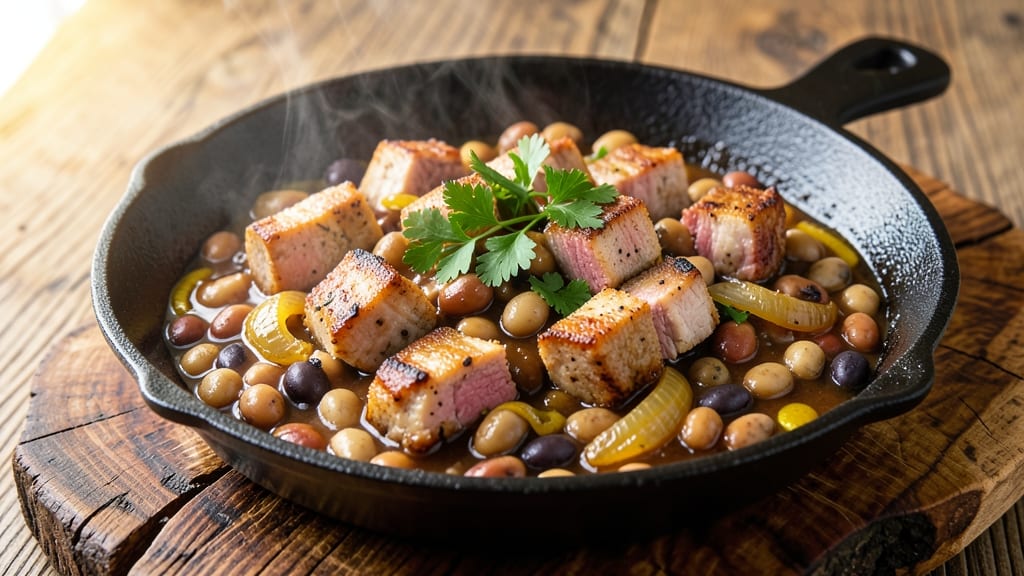
This Old Fashioned Bush's Baked Beans recipe delivers the deep, smoky-sweet molasses flavor that makes them a classic side dish. After years of perfecting the slow-cooking process, I’ve created a version that captures the rich, caramelized depth of traditional recipes while keeping it simple for home cooks.
The combination of navy beans, pork, and molasses creates a dish that’s both hearty and comforting—ideal for barbecues, holidays, or weeknight dinners.
The secret to these beans lies in the slow cooking method, which allows flavors to meld over time. Unlike quick versions, this recipe simmers for hours, transforming tough pork into tender, flavorful bites that blend seamlessly with the beans.
The molasses and brown sugar add a perfect balance of sweetness and smokiness, while spices like mustard and cloves deepen the complexity. It’s the kind of dish that tastes even better the next day, making it perfect for meal prep.
What you’ll end up with is a one-pot wonder: creamy, smoky, and packed with layers of flavor. The beans soften just enough to absorb the rich, caramelized sauce, while the pork adds a savory depth that ties everything together.
This isn’t just a side dish—it’s a centerpiece that pairs beautifully with grilled meats, cornbread, or even on its own. Ready to make a batch that’ll have everyone asking for seconds?
For those looking to adapt, a vegetarian version swaps pork for smoked paprika and extra mushrooms, keeping the same rich, molasses-forward flavor. The slow-cooking process ensures the beans stay tender and the sauce remains velvety. Let’s get started on a recipe that’s as timeless as it is delicious.
Ingredients for old fashioned bush's baked beans
Classic ingredients transformed through slow cooking into the iconic smoky-sweet molasses flavor.
| Ingredient | Amount | Notes |
|---|---|---|
| Navy Beans (Dried) 🌾 | 2 cups | Unsoaked, high-quality dried beans |
| Pork Shoulder (or Boston Butt) 🥩 | 2 lb | Cut into 1-inch cubes, bone-in preferred |
| Unsweetened Molasses 🍯 | ½ cup | Dark, aged for deeper flavor |
| Light Brown Sugar 🍬 | ½ cup | Packed, not granulated |
| Yellow Mustard 🍯 | ¼ cup | Prepared, not Dijon |
| Onion (Yellow) 🧅 | 1 whole | Large, roughly chopped |
| Garlic Cloves 🧄 | 4 cloves | Peeled, minced |
| Ground Black Pepper 🌶️ | 1 tsp | Freshly cracked |
| Ground Cloves 🌿 | ½ tsp | Whole cloves crushed preferred |
| Bay Leaves 🌿 | 2 whole | Fresh or dried |
| Kosher Salt 🧂 | 1 ½ tsp | Adjust to taste |
| Apple Cider Vinegar 🍎 | 2 tbsp | For tangy depth |
| Water 💧 | 4 cups | Or low-sodium beef broth |
| Vegetable Oil 🫒 | 1 tbsp | For searing pork |
The pork shoulder is non-negotiable here—its fat renders beautifully during slow cooking, creating a rich sauce. Look for bone-in cuts at Whole Foods or your local butcher for extra flavor. If using pre-cut pork, check for marbling; well-marbled meat stays juicier. Navy beans should be high-quality dried—avoid canned for this recipe, as their texture won’t hold up. Soak overnight if you prefer, but the unsoaked method works fine for slow-cooked dishes. For molasses, Goya or Bragg’s are reliable brands—avoid the lighter varieties, as they lack depth. The brown sugar should be packed, not granulated, to prevent clumping during cooking.
No pork shoulder? Smoked paprika and extra mushrooms replicate the smoky depth for vegetarians, though the texture will differ. Substitute maple syrup for molasses in a pinch, but reduce by 2 tbsp to balance sweetness. The yellow mustard is key—Dijon adds bitterness, so stick to prepared. For garlic, powdered can work at half the amount, but fresh is ideal. Short on bay leaves? Dried thyme at one-third the amount works, though it lacks the same aromatic punch. The apple cider vinegar can be swapped for red wine vinegar, but the apple notes complement the molasses beautifully. If using broth instead of water, opt for low-sodium to avoid over-salting the dish.
This recipe rewards patience—simmer for at least 4 hours for tender beans and tenderized pork. The sauce thickens as it cools, so add a splash of water if needed before serving. Store in an airtight container for up to 5 days in the fridge, though flavor peaks after 24 hours. For freezing, portion into single-serving containers—reheat gently with a splash of water to restore creaminess. Leftovers reheat beautifully, making this a perfect meal-prep dish. The beans soften further when reheated, so plan accordingly.
Why You'll Love This Recipe
- One-Pot Magic: The dried beans soak overnight, but after that? Just dump everything—pork, molasses, sugar—into one pot and let it simmer. No chopping, no fuss, no extra dishes. I swear, the only thing I do is stir occasionally and pretend I’m a fancy chef.
- Sweet-Savory Balance: That molasses and brown sugar combo? It’s like a hug in a bowl—deep, rich, but not cloying. The mustard cuts through the sweetness just enough to make it dangerously good, especially when the pork gets tender enough to fall apart. (Yes, even on a Tuesday night.)
- Leftovers That Shine: This recipe begs to be made in bulk. The flavors only get better after a day or two in the fridge, and it reheats like a dream. I’ve taken it to potlucks, packed it for road trips, and even served it cold in sandwiches—because sometimes, you just need that smoky-sweet fix.
- Budget Meal, Big Payoff: Dried beans and pork shoulder stretch this dish into a full meal without breaking the bank. I’ll be real: it’s the kind of recipe that makes me feel like I’m feeding a crowd without stressing over grocery bills. Plus, the longer it cooks, the more flavor you get—free upgrade every time.
Step-by-step instructions for old fashioned bush's baked beans
This classic recipe delivers deep molasses flavor and tender pork in one simple, hands-off preparation.
Sear the Pork Shoulder for Rich Flavor
Heat a large Dutch oven over medium-high heat and add the 1 tablespoon vegetable oil. Once shimmering, add the 2 lb pork shoulder cut into 1-inch cubes, working in batches if needed. Let the pork brown deeply on all sides for 8-10 minutes total, pressing down gently with a spatula. This step develops the Maillard reaction, creating that signature smoky depth.
As the pork browns, you'll notice golden crusts forming and the fat beginning to render. Don't rush this process - the longer you sear, the more complex flavor you'll build. Transfer the browned pork to a plate and set aside, leaving all the rendered fat in the pot.
Sauté Aromatics and Prepare the Bean Base
In the same Dutch oven, reduce heat to medium and add the 1 whole yellow onion (roughly chopped) and 4 cloves garlic (minced). Cook for 5-6 minutes until the onions soften and become translucent, stirring occasionally. The garlic should release its aroma but not burn - watch carefully as it darkens quickly.
Add the 2 cups unsoaked navy beans, giving them a quick stir to coat in the aromatic oil. Pour in the 4 cups water, scraping up any browned bits from the bottom of the pot. These bits contain concentrated flavor that will infuse into your beans. Bring the mixture to a gentle boil, then reduce heat to maintain a simmer.
Combine Sweet and Tangy Ingredients
Return the seared pork to the pot and stir to combine. Add the 0.5 cup unsweetened molasses, 0.5 cup light brown sugar, 0.25 cup yellow mustard, 1.5 teaspoons kosher salt, 1 teaspoon ground black pepper, 0.5 teaspoon ground cloves, 2 whole bay leaves, and 2 tablespoons apple cider vinegar. Stir well to ensure all ingredients are evenly distributed throughout the mixture.
The combination of molasses and vinegar creates a beautiful balance of sweet and tangy flavors. You'll notice the mixture darken slightly as the sugars begin to caramelize. This is when the deep, complex flavors start developing - let it simmer uncovered for 10 minutes to allow these flavors to meld together.
Slow Cook Until Tender
Cover the Dutch oven and transfer to a preheated 325°F oven. The beans need 2.5-3 hours of gentle cooking to become tender. You'll know they're ready when a knife slides in easily and the pork is fork-tender. The beans should be soft but still hold their shape, with a creamy texture from the long cooking process.
About 30 minutes before the beans are done, remove the lid and increase the oven temperature to 350°F. This final step helps thicken the sauce and develop a slightly caramelized surface. The beans should have a rich, glossy appearance with a thick, molasses-infused sauce coating everything.
Rest and Serve
Once the beans reach perfect tenderness, remove them from the oven and let them rest for 15-20 minutes covered. This resting period allows the flavors to fully develop and the juices to redistribute. The beans will continue to thicken slightly as they rest, creating that perfect texture we're after.
Before serving, taste and adjust seasoning if needed. The beans should be sweet, smoky, and slightly tangy with a perfect balance of all the flavors. Serve warm with crusty bread or over rice, and enjoy this classic comfort dish that brings the flavors of old-fashioned cooking to your table.
Pro Tips For Making Old Fashioned Bush'S Baked Beans
- Soak Beans Overnight: DESCRIPTION:
- Brown the Pork First: DESCRIPTION:
- Stir the Molasses: DESCRIPTION:
- Check Sugar Balance: DESCRIPTION:
Dietary considerations for these flavors
Vegetarian Adaptation
Swap the pork shoulder for 1 lb extra-firm tofu or 12 oz mushrooms (cremini or white) for a meaty texture. Press tofu to remove excess water, then cube and pan-sear until golden. Add 1 tbsp smoked paprika and ½ tsp liquid smoke to mimic the pork's depth.
For extra richness, stir in 2 tbsp nutritional yeast at the end—it adds a savory, umami kick. 🌱
Gluten-Free Options
This recipe is naturally gluten-free, but check your molasses and mustard labels—some brands contain hidden gluten. Use gluten-free mustard like French's Yellow Mustard (certified GF) and ensure your spices are processed in gluten-free facilities.
The slow-cooked beans and pork (or veggie substitute) remain safe for gluten-sensitive diets. Always verify packaging for cross-contamination warnings.
Low-Sugar Modifications
Reduce the brown sugar to ¼ cup and cut the molasses to ¼ cup to lower sugar content. Balance with 1 tsp cinnamon and ½ tsp allspice to enhance sweetness naturally.
For extra depth, add 1 tbsp balsamic vinegar—it adds tang without sugar. The beans will still be rich and flavorful, just lighter on sweetness. 🍯
Protein Swaps
Need a different protein? Try chicken thighs (bone-in for flavor) or smoked sausage (like kielbasa) for a quicker cook. For seafood lovers, add ½ lb smoked salmon flakes in the last 30 minutes of cooking—they absorb the molasses sauce beautifully.
Always adjust cooking time: chicken needs 1.5 hours less than pork, while sausage cooks in 1 hour.
Allergen Considerations
Watch for mustard allergies—this recipe relies on it for tang. Substitute with 2 tbsp apple cider vinegar + ½ tsp turmeric for color and mild earthiness. For nut allergies, ensure your molasses isn’t processed in nut facilities (some brands cross-contaminate).
Always check labels, as hidden allergens can lurk in unexpected places like spices or vinegars.
Meal Prep Adjustments
Double the recipe for easy prep—beans reheat beautifully! Store in airtight glass containers (like Le Creuset) for up to 5 days. To reheat, add 2 tbsp water or broth per serving and simmer on low for 10 minutes.
The sauce may thicken further; stir in a splash of water if needed. For freezer storage, portion into single-serving bags and thaw overnight in the fridge. 📅
Nutrition facts
Frequently asked questions
Why do traditional baked beans need slow cooking?
The slow cooking process is essential for breaking down tough navy beans and pork, creating that signature tender texture. Over 2.5-3 hours, the flavors meld together, developing deep molasses caramelization and smoky notes from the pork fat. Rushing this step results in mushy beans and weak flavor.
Can I substitute canned beans for dried?
While possible, canned beans won't give the same texture or flavor depth. Dried beans absorb the molasses sauce better and maintain their shape. If using canned, drain and rinse thoroughly, then simmer for 1 extra hour to prevent mushiness. For best results, stick with dried navy beans.
How do I prevent the beans from getting too sweet?
Balance the sweetness by adding 1 tbsp apple cider vinegar or ½ tsp cinnamon to cut through the molasses. Also, reduce the brown sugar to ¼ cup if needed. The key is slow cooking—this lets flavors meld without needing extra sugar. Taste as you go and adjust gradually.
What's the best way to reheat leftovers?
Add 2 tbsp water or broth per serving and simmer on low for 10 minutes to restore creaminess. Microwaving can make the sauce grainy. For best texture, reheat in a covered pot until warmed through. The beans will thicken further—stir in extra liquid if needed.
Can I make these beans in a slow cooker?
Yes! Follow the same steps but transfer everything to the slow cooker after searing the pork. Cook on low for 6-7 hours or high for 3-4 hours. The beans will be even more tender, and the sauce will develop beautifully. Just skip the final 350°F broil step.