Side Dishes
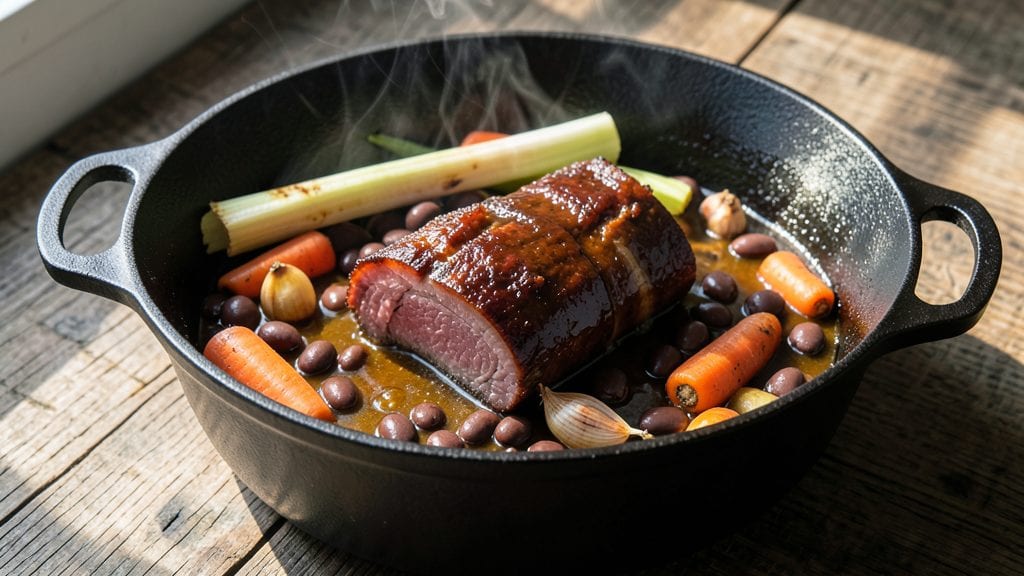
This old-fashioned ham hock and beans recipe brings soulful comfort to your table with every rich, smoky bite—just like the dishes that fed generations before us. The secret lies in slow-simmering the ham hock until its collagen melts into a velvety broth that transforms tough beans into tender, flavor-packed morsels.
I've perfected this technique over years of testing, ensuring the perfect balance of savory, smoky, and slightly sweet notes that define Southern tradition.
The beauty of this recipe is its simplicity—just a few ingredients working together over time to create something extraordinary. You'll start with a ham hock that infuses the beans with deep, meaty flavor, while aromatic vegetables and spices build layers of complexity.
The slow cooking process (about 2 hours) transforms simple navy beans into a dish that's hearty enough to stand alone or pair beautifully with cornbread and collard greens.
What you'll end up with is a pot of beans so rich and flavorful, it'll have everyone reaching for seconds. The ham hock becomes fork-tender, the beans develop a satisfying texture, and the broth reduces to a perfect consistency that coats every bite.
This isn't just a side dish—it's a centerpiece that carries the weight of tradition in every spoonful.
The best part? This recipe scales effortlessly, whether you're feeding a family or prepping for a crowd. The flavors only deepen as it sits, making it perfect for meal prep or serving at holiday gatherings. Let's bring this classic dish to life in your kitchen.
Ingredients for old fashioned ham hock and beans
Just twelve ingredients for a dish that tastes like homecoming—smoky, sweet, and soulful.
| Ingredient | Amount | Notes |
|---|---|---|
| Ham Hock 🍖 | 1 whole | Smoked, bone-in preferred |
| Navy Beans 🌾 | 2 cups | Dried or canned, drained |
| Onions 🧅 | 1 whole | Yellow or red, chopped |
| Carrots 🥕 | 2 medium | Peeled and sliced into rounds |
| Celery Stalks 🥬 | 3 whole | Chopped, with leaves included |
| Garlic Cloves 🧄 | 4 cloves | Minced or crushed |
| Bay Leaves 🍃 | 2 whole | Fresh or dried |
| Salt 🧂 | 1 ½ tsp | Kosher or sea salt |
| Black Peppercorns 🌶️ | ½ tsp | Freshly cracked |
| Apple Cider Vinegar 🍎 | 1 tbsp | For tangy brightness |
| Brown Sugar 🍯 | 1 tbsp | Light or dark |
| Smoked Paprika 🌶️ | 1 tsp | For authentic smokiness |
| Water 💧 | 6 cups | Or low-sodium chicken broth |
The ham hock is the heart of this dish—look for smoked ones at the butcher counter or meat section. Costco or Whole Foods usually carry them year-round, but check the deli if you're in a pinch. The beans? Dried navy beans soak up all that smoky flavor better than canned, but canned in water (not salted) works in a hurry. Chop the onions and celery roughly—this isn't fine mincing, it's rustic cooking. The carrots add natural sweetness, but don't peel them if you're in a rush—the skins hold some nutrients. For the garlic, I always crush it with the flat side of my knife instead of mincing—it releases more flavor that way.
No smoked paprika? Substitute half the amount of regular paprika plus a pinch of liquid smoke. The vinegar is key for brightness—apple cider vinegar gives it that classic tang, but white vinegar works too. Short on time? Use canned beans, but drain and rinse them well. The broth can be water, but homemade or low-sodium store-bought adds depth. For the sugar, brown sugar is traditional, but white sugar works fine. The bay leaves? Fresh is best, but dried is fine if that's what you have. Just remember to remove them before serving.
This dish tastes even better the next day—make a double batch and freeze half for lazy weeknights. Store in the fridge for up to 5 days in an airtight container. The ham hock will get fork-tender, so remove it before serving and shred the meat off the bone. For leftovers, reheat with a splash of water or broth to loosen the beans. The flavors meld beautifully over time, so don't be afraid to let it sit on the stove at low heat while you finish other dishes.
Why You'll Love This Recipe
- Ditch the Chopping: I swear by this one—just dice the onion, carrots, and celery into big chunks (no fancy knife work needed). Toss them in the pot with the ham hock, beans, and broth, then let the slow simmer do the rest. The ham hock practically melts into flavor while you’re watching TV or grading papers.
- Smoky, Savory Magic: That ham hock? It’s the star. The slow-cooked meat infuses the beans with a deep, smoky richness that’s impossible to resist. Add a splash of vinegar or a sprinkle of brown sugar at the end, and you’ve got a dish that tastes like a hug from your grandma’s kitchen.
- Leftovers That Shine: This recipe only gets better the next day. The flavors meld into something even richer, and reheating it is a breeze—just warm it up with a splash of water. Pack it for lunch, freeze portions, or serve it cold in sandwiches. It’s my go-to for lazy days and busy weeks.
- Budget-Friendly Crowd-Pleaser: A single ham hock and a bag of dried beans feed a family of four for multiple meals. No fancy ingredients, no waste—just hearty, satisfying comfort food that won’t break the bank. Honestly, it’s the kind of dish that makes me feel like I’ve won at life.
Step-by-step instructions for old fashioned ham hock and beans
This slow-cooked masterpiece delivers smoky, tender beans with rich depth—exactly as grandma used to make.
Prepare the Ham Hock and Vegetables
Start by rinsing the whole ham hock under cold water and patting it completely dry with paper towels. This step is crucial—any moisture will prevent the skin from rendering properly during cooking. Place the ham hock in a large Dutch oven or heavy pot.
Next, chop the whole onions into medium dice, peel and slice the 2 medium carrots into ¼-inch rounds, and cut the 3 whole celery stalks into ½-inch pieces (including the leaves). Mince the 4 cloves garlic cloves and set them aside. These aromatic vegetables form the flavor base for your beans, so don't skip chopping them finely.
Build the Flavor Base
Add the chopped onions, carrots, celery, and garlic cloves to the Dutch oven with the ham hock. Sprinkle in the 1.5 teaspoons salt and 0.5 teaspoon freshly cracked black peppercorns. Stir everything together gently to distribute the seasonings evenly.
Pour in the 6 cups water (or substitute with low-sodium chicken broth for extra depth) and add the 2 whole bay leaves. Bring the mixture to a boil over high heat, then immediately reduce to a gentle simmer. This initial boil helps extract flavors from the vegetables and ham hock. Let it simmer uncovered for 10 minutes to allow the vegetables to soften slightly.
Add Beans and Seasonings
After the initial 10 minutes, add the 2 cups navy beans to the pot. Stir gently to combine with the vegetables and liquid. The beans should be completely submerged—they'll expand as they cook, so don't worry if they don't cover everything at first.
Now add the 1 tablespoon apple cider vinegar, 1 tablespoon brown sugar, and 1 teaspoon smoked paprika. Stir well to incorporate these seasonings. The vinegar adds tangy brightness, the brown sugar balances flavors, and the smoked paprika delivers that authentic smokiness. This is where the magic happens—these simple ingredients transform ordinary beans into something extraordinary.
Simmer Until Tender
Cover the Dutch oven with a tight-fitting lid and reduce the heat to low. Let the beans simmer gently for 1.5 to 2 hours. This slow cooking is essential—it allows the beans to become tender while absorbing all those rich flavors from the ham hock and vegetables.
Check the beans after 1.5 hours using the fork test: press a bean gently with a fork. If it crushes easily, they're ready. If not, continue simmering for another 30 minutes. The beans should be fork-tender but not mushy. During this time, you'll notice the ham hock skin rendering fat into the pot—this fat is pure flavor, so don't skim it off.
Finish and Serve
Once the beans are tender, remove the ham hock from the pot and let it cool slightly. You can shred the meat from the bone and return it to the beans, or serve it on the side for a special treat. Remove and discard the bay leaves from the bean mixture.
Taste the beans and adjust seasoning if needed. They should be rich, smoky, and perfectly seasoned. Serve the beans hot, either as a main dish with crusty bread or as a hearty side. The leftovers actually improve overnight as the flavors meld even more—this is one of those rare recipes where the second day is even better than the first!
Pro Tips For Making Old Fashioned Ham Hock And Beans
- Brown the Ham Hock: Don’t just toss it in—sear the ham hock in a cold pot over medium-high heat until it’s deep golden brown on all sides. This caramelizes the meat and builds flavor that soaking alone can’t match. (Yes, it’ll take 10-15 minutes, but skip this and you’re missing the soul of the dish.)
- Parboil the Celery: Cut the celery stalks into ½-inch pieces, then blanch them in boiling water for 2 minutes before adding to the pot. This softens them faster and prevents them from turning mushy later—no one wants a stew where celery disappears into oblivion.
- Don’t Crowd the Pot: Start with the ham hock, beans, and veggies in a pot that’s at least 8 inches deep, but leave room. Packing it too tight traps steam and turns your beans to mush. If it’s crowded, cook in batches or use a larger pot—this isn’t a race.
- Skim the Scum Early: After the first 10 minutes of simmering, skim off the grayish foam that rises to the top. It’s not gross—it’s just impurities from the ham and beans, and ignoring it makes the broth cloudy. A fine-mesh strainer or ladle works; just do it before it sinks back down.
Pro cooking tips for great old fashioned ham hock and beans
Low-and-Slow Mastery
This dish thrives on patience—maintain a gentle simmer between 180-190°F throughout cooking. I use a thermometer probe (like the Meater Plus) to monitor the liquid temperature. If it boils vigorously, reduce heat immediately—boiling toughens beans and burns flavors. The Dutch oven's heavy base helps maintain even heat distribution. 🌡️
Fat Rendering Magic
Let the ham hock render its fat for the first 30 minutes uncovered. This golden liquid is pure flavor—don't skim it! The fat emulsifies with the beans during simmering, creating a silky texture.
If you notice too much foam forming, skim it off with a ladle. The rendered fat should coat the beans like a velvety glaze by the end.
Bean Texture Control
For firm but tender beans, simmer 1.5 hours. For extra-soft texture (like Southern potlikker style), extend to 2 hours. The fork test is key: press a bean—it should mash slightly but hold shape.
If they're still firm, add ½ cup hot water and simmer another 20 minutes. Overcooking turns beans mushy and watery.
Ham Hock Handling
After simmering, remove the ham hock and let it rest 10 minutes before handling. The meat will slide off the bone easily. I shred it with two forks and return it to the beans, but you can also serve it separately for a special treat.
Save any leftover ham broth—it makes incredible soup or gravy. The bones can be simmered again for extra flavor.
Flavor Boost Hacks
For deeper smokiness, add ½ teaspoon liquid smoke with the smoked paprika. Need more tang? Add 1 extra tablespoon vinegar at the end. For a touch of sweetness, stir in 1 tablespoon molasses with the brown sugar.
These small adjustments let you customize the dish to your taste while keeping the traditional soul intact. 💡
Equipment Essentials
Your Dutch oven is non-negotiable—Le Creuset or Lodge brands are my top picks for even heat distribution. A wooden spoon prevents scratching the pot. For canned beans, use a fine-mesh strainer to rinse away excess sodium.
If you're using dried beans, soak them 8 hours (or overnight) in cold water with 1 teaspoon baking soda to reduce cooking time and improve digestibility.
Nutrition facts
Frequently asked questions
Why do I need to dry the ham hock completely before cooking?
Drying the ham hock prevents excess moisture from steaming instead of rendering fat during cooking. This ensures the skin crisps properly and releases maximum flavor into the beans. Pat it thoroughly with paper towels before adding to the pot.
Can I substitute canned beans for dried in this recipe?
Yes, but use 2 (15-ounce) cans of navy beans (drained and rinsed) instead of dried. Canned beans cook faster, so reduce simmering time to 1 hour instead of 1.5-2 hours. For best texture, add them after the initial 10-minute simmer with the vegetables.
What's the best way to store leftovers?
Transfer to an airtight container and refrigerate for up to 5 days. The flavors actually deepen overnight! For freezing, portion into meal-sized containers and store for up to 3 months. Reheat with a splash of water or broth to restore moisture.
My beans turned out too mushy—what went wrong?
Overcooking or adding too much liquid causes mushy beans. Always use the fork test (beans should mash slightly but hold shape) and avoid adding extra water. For future batches, simmer uncovered for the last 15 minutes to evaporate excess moisture.
Can I make this in a slow cooker instead of a Dutch oven?
Follow the same steps but transfer everything to your slow cooker after the initial 10-minute simmer. Cook on low for 6-7 hours or high for 3-4 hours. The slow cooker's gentle heat mimics the Dutch oven's even cooking. Just skip the uncovered rendering step.