Side Dishes
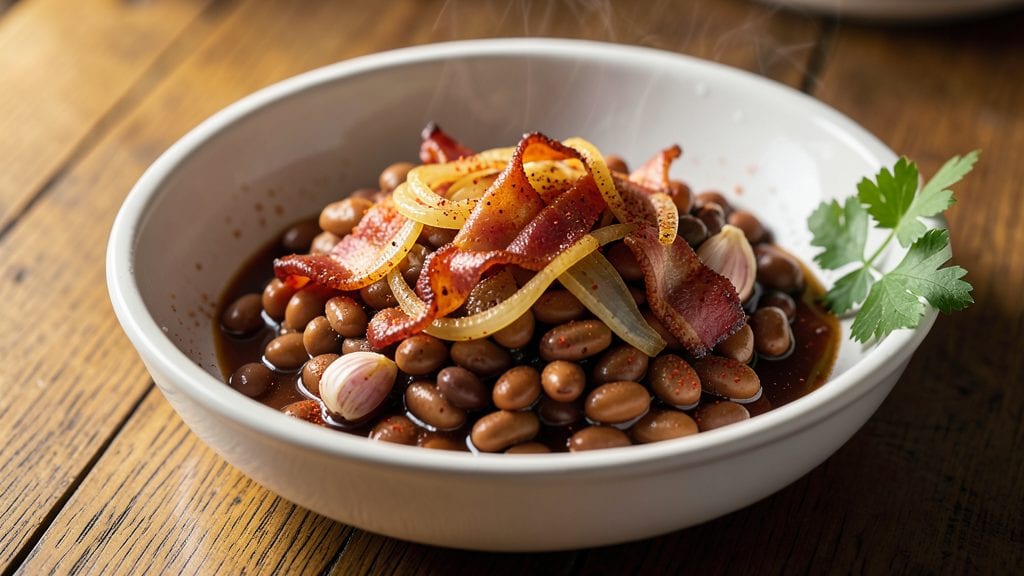
This Roosevelt beans recipe brings a taste of Southern tradition to your table with its deep, smoky-spiced flavor profile that transforms simple legumes into a hearty centerpiece. 🌟 Born from the resourcefulness of the Great Depression era, these beans were named after President Franklin D. Roosevelt, who famously enjoyed them during his time in the White House.
The dish thrives on slow-cooked richness, where bacon, onions, and a blend of spices create a sauce so flavorful it clings to every bean.
What sets Roosevelt beans apart is their ability to turn humble ingredients into something extraordinary—no fancy techniques required. You'll start with dried navy beans, simmered for hours with smoked bacon, onions, and a carefully balanced mix of spices like garlic powder, paprika, and a touch of cayenne.
The result is a dish that's both comforting and substantial, perfect for feeding a crowd or stretching a meal into something memorable.
The magic happens in the slow cooking process, where flavors meld together to create a sauce that's deeply savory with just the right amount of heat.
Each bite delivers tender beans coated in that rich, smoky mixture, making it a dish that feels like a warm hug on a chilly day. The texture is ideal—beans that hold their shape but remain tender, all wrapped in a sauce that's thick enough to coat a spoon.
Serve these beans alongside cornbread, over rice, or as a standalone dish with crusty bread for soaking up every last bit of that flavorful sauce. This recipe is a testament to how simple ingredients, when given time and care, can create something truly special.
Let's get started on this piece of culinary history!
Ingredients for roosevelt beans
Simple legumes meet smoky Southern tradition in this hearty Roosevelt beans dish.
| Ingredient | Amount | Notes |
|---|---|---|
| Dried Navy Beans 🌾 | 2 cups | Unsoaked, rinsed thoroughly |
| Smoked Bacon 🥓 | ½ lb | Thick-cut, chopped into pieces |
| Yellow Onions 🧅 | 2 whole | Medium, chopped into half-moons |
| Garlic Cloves 🧄 | 4 cloves | Peeled, minced finely |
| Paprika 🌶️ | 2 tbsp | Smoked variety preferred |
| Garlic Powder 🧄 | 1 tbsp | Freshly ground preferred |
| Ground Black Pepper 🌶️ | 1 tsp | Freshly cracked for best flavor |
| Cayenne Pepper 🔥 | ½ tsp | Adjust for desired heat |
| Salt 🧂 | 1 ½ tsp | Kosher or sea salt preferred |
| Bay Leaves 🌿 | 2 whole | Dried, standard size |
| Chicken Broth 💧 | 4 cups | Low-sodium preferred |
| Apple Cider Vinegar 🍎 | 1 tbsp | For tangy depth |
| Brown Sugar 🍯 | 2 tbsp | Light or dark preferred |
| Fresh Parsley 🌿 | ¼ cup | Chopped, for garnish |
The navy beans are the foundation—dried, not canned, for that authentic texture. Costco or bulk bins offer the best value, but any grocery store carries them. Soak overnight if short on time, but the traditional method of unsoaked beans simmered long and slow delivers the best flavor. Smoked bacon is non-negotiable here; Oscar Mayer or local butcher cuts provide that essential smokiness. Chop it into bite-sized pieces so every bean gets coated in that rich, smoky goodness. For the onions, yellow or sweet both work, but yellow adds a sharper bite that stands up to the smoky flavors.
No smoked paprika? Substitute 1 tbsp regular paprika plus 0.25 tsp liquid smoke—it’s a game-changer. Fresh garlic is ideal, but garlic powder works in a pinch at the same amount. Short on cayenne? Red pepper flakes at half the amount will give you heat without overpowering. The chicken broth can be homemade or store-bought, but avoid high-sodium versions—you’ll be adding salt later. Apple cider vinegar might seem unusual, but it brightens the dish and cuts through the richness. For a sweeter touch, maple syrup replaces brown sugar one-to-one.
These beans taste even better the next day as flavors meld. Store in the fridge for up to 5 days in an airtight container, or freeze for 3 months in portion-sized containers. The sauce thickens as it cools, so add a splash of broth when reheating. Garnish with fresh parsley right before serving—it adds a pop of color and freshness that balances the smoky depth. Double the batch; leftovers make amazing sandwiches or cornbread toppers.
Why You'll Love This Recipe
- Two-Ingredient Shortcut: I swear by the smoked bacon—it’s the star here. Just crisp it up in a pan, chop the onions while it cooks, and you’re already halfway there. No fancy prep, no stress.
- Smoky-Sweet Magic: That paprika and garlic? Oh, they turn these beans into something ridiculously good. The bacon’s smokiness wraps around the tender beans like a hug—salty, sweet, and just a little bit bold.
- Lunchbox Hero: Between us, this keeps perfectly for days. Pack it in a jar for work or school—cold or reheated, it’s still solid. My kids actually eat their veggies when it’s hiding in here.
- Pantry Powerhouse: Dried beans? Check. Bacon? Check. Onions and garlic? You’ve got those. It’s the kind of recipe that doesn’t break the bank or your schedule—just throw it together when you’re out of ideas.
Step-by-step instructions for smoky-spiced legume magic
Transform simple ingredients into rich, hearty Roosevelt Beans with this foolproof method.
🔥 Step 1: Cook the Bacon and Sauté Aromatics
Place the 0.5 lb smoked bacon in a large Dutch oven over medium heat. Cook for 8-10 minutes, stirring occasionally, until the bacon is deep golden brown and crispy. Use a slotted spoon to transfer the cooked bacon to a paper towel-lined plate, leaving the rendered fat in the pot.
In the same pot, add the 2 whole yellow onions chopped into half-moons. Cook for 5-6 minutes until softened and translucent. Add the 4 cloves garlic cloves minced finely and cook for 30 seconds until fragrant. This step builds the flavor foundation—don't rush it.
👨🍳 Step 2: Toast the Spices and Prepare the Beans
Reduce heat to medium-low and add the 2 tbsp paprika, 1 tbsp garlic powder, 1 tsp ground black pepper, 0.5 tsp cayenne pepper, and 1.5 tsp salt. Stir constantly for 1-2 minutes until the spices are fragrant and slightly toasted. This step deepens their flavor and prevents bitterness.
Add the 2 cups dried navy beans (rinsed thoroughly) and stir to coat them evenly with the spice mixture. Pour in the 4 cups chicken broth and add the 2 whole bay leaves. Bring to a gentle boil, then reduce heat to low and cover. Simmer for 1 hour, stirring occasionally to prevent sticking.
⏰ Step 3: Simmer Until Tender and Flavor-Infused
After the initial 1 hour of simmering, check the beans for doneness. They should be tender but still firm (not mushy). If they're not quite tender, add ½ cup water and continue simmering for another 30-45 minutes. The beans need time to absorb all those smoky flavors.
Here's the thing—don't skip the occasional stir. This prevents the beans from sticking to the bottom and ensures even cooking. If the liquid reduces too much, add a splash of water or broth to keep the beans submerged. You want them to cook gently in their own juices.
🥘 Step 4: Finish with Tangy Sweetness and Garnish
Once the beans are tender, stir in the 1 tbsp apple cider vinegar and 2 tbsp brown sugar. Simmer for another 5 minutes to let these ingredients meld with the beans. The vinegar adds brightness while the brown sugar balances the smokiness—this is where the magic happens.
Remove the bay leaves and discard them. Stir in the crispy bacon and 0.25 cup fresh parsley chopped finely. Taste and adjust seasoning with additional salt if needed. The beans should be rich, smoky, and perfectly seasoned. Serve warm with crusty bread or over rice.
Pro Tips For Making Roosevelt Beans
- SIMMER LOW AND SLOW: Navy beans need patience—don’t rush them. Once the bacon’s rendered and onions are soft, drop heat to a barely simmer (think tiny bubbles, not rolling). I used to crank the heat, and the beans turned mushy. Low heat keeps them tender without falling apart, especially important since these beans hold their shape for that classic Roosevelt texture.
- CRISPY BACON FIRST: Cook the smoked bacon until it’s deep brown, not just pink. The extra crispiness adds flavor that carries through the whole dish. Toss the cooked bacon out before frying the onions—save those fat bits for the beans. (Yes, even if you’re tempted to leave it in, trust me on this.)
- SOAK BEANS OVERNIGHT: Skip the quick-soak—just toss dried beans in water and let them sit 12+ hours. I learned this after two batches where beans stayed hard no matter how long I simmered them. Cold water overnight softens them properly, and the flavor’s richer. Drain, but don’t rinse—the starch helps thicken the broth.
- SAVOR THE ONIONS: Caramelize those onions until they’re golden brown, not just translucent. The deeper the color, the sweeter the flavor, and it balances the smoky bacon. If you’re short on time, use a splash of apple cider vinegar (1 tsp) to speed up the process—it mimics the natural breakdown.
Creative variations of this roosevelt beans
Southern-Style BBQ Twist
Transform Roosevelt beans into a Southern BBQ-inspired dish by adding ½ cup BBQ sauce (like Sweet Baby Ray's) and ½ cup diced tomatoes during the final 10 minutes of cooking. The tangy, smoky BBQ flavor pairs perfectly with the beans' richness.
Top with crumbled bacon bits and pickled red onions for extra depth—this version feels like a cross between beans and pulled pork. 🌶️
Herb-Infused Mediterranean
Swap the smoked bacon for diced pancetta (or extra bacon) and add 1 tsp dried oregano, 1 tsp dried thyme, and 1 bay leaf during the spice toasting step.
Finish with ¼ cup chopped fresh parsley and dill and a splash of lemon juice instead of vinegar. This version tastes like a cozy Mediterranean stew with a Southern twist.
Spicy Cajun Kick
For a Louisiana-inspired version, increase the cayenne to 1 tsp and add 1 tbsp Cajun seasoning (like Tony Chachere's) during the spice toasting. Stir in ½ cup diced andouille sausage with the bacon and finish with green onions and a squeeze of lime.
The bold spices and smoky sausage make this a standout dish for Cajun lovers. 🔥
Vegetarian-Friendly
Skip the bacon entirely and use 2 tbsp olive oil to sauté the onions and garlic. Boost umami with 1 tbsp soy sauce or miso paste during the final 5 minutes of cooking.
Add ½ cup chopped mushrooms with the onions for extra heartiness. Garnish with toasted pumpkin seeds for crunch—this version is just as satisfying without meat.
Breakfast Hash Adaptation
Turn these beans into a breakfast hash by cooking them in a skillet with diced potatoes and bell peppers until crispy. Top with a fried egg and hot sauce for a hearty morning meal.
The smoky, spiced beans add depth to the classic breakfast hash, making it feel like a Southern brunch staple. 🍳
Slow-Cooker Shortcut
For a hands-off version, combine all ingredients (except bacon and parsley) in a 6-quart slow cooker and cook on low for 6-7 hours. Add the bacon and parsley during the final 30 minutes** to keep it crispy.
This method is perfect for busy weeknights—just dump, cook, and enjoy. The slow cooker enhances the flavors even more, making it a crowd-pleaser. ⏰
Nutrition facts
Frequently asked questions
Can I use canned beans instead of dried for Roosevelt beans?
While you can substitute canned navy beans, the texture and flavor won't be the same. Dried beans develop a deeper, richer taste through slow cooking, which is essential for this recipe. If you must use canned, opt for low-sodium beans and add an extra 30 minutes of simmering time to let flavors meld.
How do I prevent the beans from turning mushy?
Keep the heat low and maintain a gentle simmer—never let the liquid boil vigorously. Stir occasionally to prevent sticking, and add water or broth only when necessary to keep the beans submerged. The beans are done when tender but still firm, usually after 1.5-2 hours of cooking.
What’s the best way to store leftovers?
Transfer to an airtight container and refrigerate for up to 5 days. The flavors actually improve overnight! For longer storage, freeze in portion-sized containers for up to 3 months. Reheat with a splash of broth or water to restore moisture.
Can I make this recipe without bacon?
Use 2 tbsp olive oil or 2 tbsp vegetable oil to sauté the onions and garlic instead. For extra richness, add 1 tbsp soy sauce or 1 tsp liquid smoke during the final 5 minutes of cooking. The dish will still be flavorful and satisfying.
Why does my Roosevelt beans dish taste bland?
Blandness often comes from insufficient simmering time or under-seasoning. Ensure the beans cook for at least 1.5 hours and taste before serving—adjust with salt, cayenne, or a splash of vinegar. Toasting the spices properly also amplifies flavor, so don’t skip that step!