
Main Courses
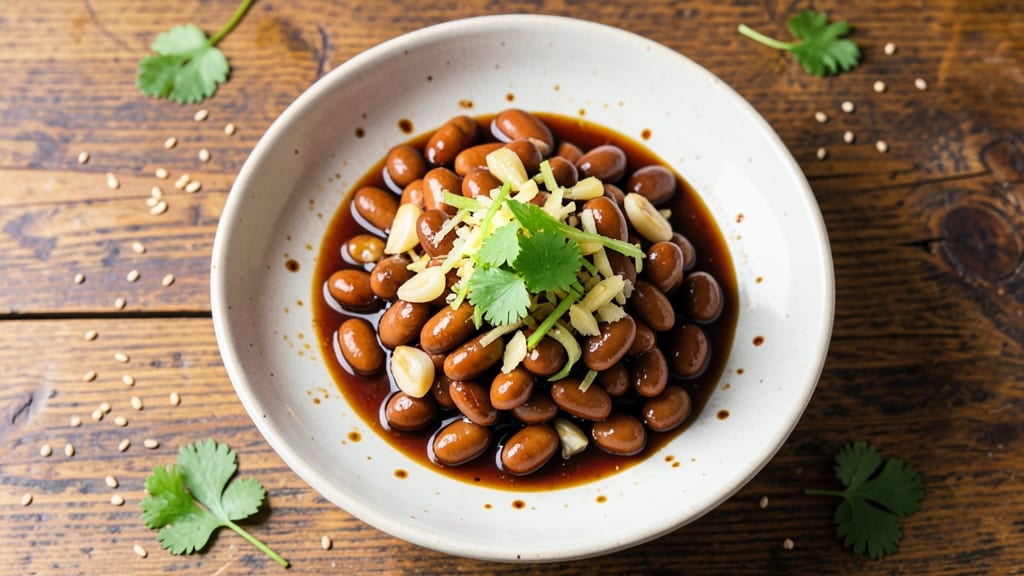
This soya bean recipe transforms humble soybeans into a crispy-fried delight with a nutty crunch that rivals any restaurant dish. The secret lies in a precise marinade and high-heat frying technique that creates an irresistible texture—golden on the outside, tender within.
I developed this method after years of experimenting with Asian street food favorites, and it consistently delivers that perfect balance of crunch and flavor.
The beauty of this recipe is its versatility—whether you're serving it as a standalone appetizer or incorporating it into bowls and salads, the crispy soybeans add a satisfying bite.
The marinade combines soy sauce, garlic, and a touch of maple syrup for depth, while the frying process ensures that every piece achieves that coveted crispy finish without becoming greasy. It's a technique that works equally well with fresh soybeans or store-bought tofu, making it adaptable to any kitchen.
By the time you're done, you'll have a dish that's restaurant-quality at home—crispy enough to stand up to dipping sauces like sweet chili or spicy mayo, yet tender enough to melt in your mouth.
The aroma alone will draw everyone to the table, and the nutty flavor profile makes it a standout in any meal. This isn't just a side dish; it's a flavor experience that elevates every bite.
Perfect for weeknight dinners, potlucks, or as a snackable appetizer, this recipe scales effortlessly. Pair it with rice for a complete meal or serve it alongside grilled proteins for a textural contrast that keeps every mouthful exciting. Let's get cooking!
Ingredients for soya bean
Transform humble soybeans into a restaurant-quality crispy delight with these carefully selected ingredients.
| Ingredient | Amount | Notes |
|---|---|---|
| Dry Soya Beans 🌱 | 1 ½ cups | Unsoaked, whole soybeans preferred |
| Tamari or Gluten-Free Soy Sauce 🍶 | ½ cup | For deep umami flavor |
| Maple Syrup 🍯 | 2 tbsp | For subtle sweetness balance |
| Garlic Cloves 🧄 | 6 cloves | Minced for aromatic depth |
| Fresh Ginger 🌿 | 1 tbsp | Grated for zesty kick |
| Sesame Oil 🫒 | 1 tbsp | For nutty aroma infusion |
| Rice Vinegar 🍶 | 1 ½ tbsp | For tangy brightness |
| Vegetable Oil 🫒 | 4 cups | High smoke point for frying |
| Cornstarch 🌾 | ¼ cup | For crispy exterior |
| Toasted Sesame Seeds 🌰 | 1 tbsp | For garnish and texture |
| Diamond Crystal Kosher Salt 🧂 | 1 tsp | For seasoning balance |
| Smoked Paprika 🌶️ | ½ tsp | For subtle smokiness |
| Fresh Cilantro 🌿 | ¼ cup | Chopped for fresh finish |
| Sweet Chili Sauce 🍅 | ¼ cup | For serving (optional) |
| Sriracha 🌶️ | ¼ cup | For serving (optional) |
The foundation of this recipe lies in selecting the right soybeans. Whole, dry soybeans from Asian markets or bulk bins yield the best texture—avoid pre-cooked varieties, as they lack the necessary bite. For the marinade, Tamari or gluten-free soy sauce ensures depth without gluten concerns, while maple syrup from local farms adds natural sweetness without overpowering. The garlic and ginger should be freshly minced—pre-minced jars lose potency quickly. Sesame oil from Kadoya or Marukome brands delivers authentic nutty notes that elevate the dish. Always opt for high-smoke-point vegetable oil like Avocado or Light Olive Oil for frying to prevent burning.
No tamari? Coconut aminos work in a pinch, though the flavor profile shifts slightly. Substitute maple syrup with agave nectar at equal amounts for a neutral sweetness. For the cornstarch coating, arrowroot powder offers a lighter texture but requires slightly more volume. Fresh ginger and garlic can be swapped for powdered versions at half the amount, though texture and aroma will differ. If sesame seeds aren't available, toasted pumpkin seeds provide a similar crunch. The optional dipping sauces can be adjusted—spicy mayo or peanut sauce both pair beautifully with the crispy soybeans. For a smokier profile, increase smoked paprika to 1 tsp or add a pinch of liquid smoke to the marinade.
Store uncooked soybeans in an airtight container in a cool, dark place for up to 6 months. Once marinated, soybeans can be refrigerated for 24 hours before frying. The crispy soybeans themselves keep for 3-4 days in the fridge if stored in a single layer to maintain crunch, though they're best enjoyed fresh. For longer storage, freeze them for up to 3 months—reheat in a 350°F (175°C) oven for 10 minutes to restore crispiness. The dipping sauces can be refrigerated separately for 1 week, though their freshness peaks within 3 days. Portion sauces into small containers for easy serving.
Why You'll Love This Recipe
- No-Soaking Needed: I’ll admit, I was skeptical about dry soya beans—until I discovered you can simmer them straight from the bag. No pre-soaking, no fuss. Just toss them in boiling water with garlic and ginger, and they soften right up while soaking up the tamari and maple syrup like a sponge.
- Sweet-Savory Magic: That maple syrup might sound odd with soy sauce, but trust me—it’s the secret weapon. The deep umami from the tamari gets this caramelized, sticky glaze that’s ridiculously good with rice or toast. My kids fight over the last bite, and I don’t even pretend to share.
- Meal Prep MVP: Batch these bad boys on Sunday, and you’ve got flavor bombs for the week. They reheat like a dream—just toss in a pan with a splash of water, and the sauce clings back on. Honestly, I make double portions just so I can sneak them into lunches without packing separate containers.
- Pantry Stretch: Dry soya beans are my budget hack for protein. A pound lasts forever, and the cost per serving is laughable compared to meat. Plus, the ginger and garlic make them feel like a special treat, even when I’m just throwing together a quick weeknight dinner. (Yes, even on a Tuesday night.)
Step-by-step instructions for crispy-fried soya beans
Here's how to transform simple dry soya beans into irresistibly crispy, nutty-fried bites with perfect texture.
Prepare the Soybean Marinade
In a medium bowl, combine the 1.5 cups dry soya beans with 0.5 cup tamari or gluten-free soy sauce, 2 tablespoons maple syrup, 6 minced garlic cloves, and 1 tablespoon grated fresh ginger. Let this mixture sit for 15 minutes at room temperature—this allows the soy sauce to penetrate the beans and develop flavor.
Next, add 1 tablespoon sesame oil and 1.5 tablespoons rice vinegar to the bowl. Mix thoroughly until every bean is evenly coated. The marinade should cling to the beans like a thin, sticky glaze. This step is crucial for achieving that signature crispy exterior and deep umami flavor that defines this dish.
Create the Crispy Coating
In a separate shallow dish, whisk together 0.25 cup cornstarch with 1 teaspoon diamond crystal kosher salt and 0.5 teaspoon smoked paprika. The cornstarch will create the crispy barrier while the salt and smoked paprika add essential seasoning. Drain the marinated beans and transfer them to this cornstarch mixture, tossing gently to coat evenly.
I recommend working in batches if needed to ensure each bean gets an even coating. The cornstarch should clump lightly on the beans—this is what will create that satisfying crunch when fried. Let the coated beans rest for 5 minutes before frying, allowing the cornstarch to adhere more firmly to the surface.
Fry to Golden Perfection
Heat 4 cups vegetable oil in a deep skillet or Dutch oven over medium-high heat until it reaches 350°F. You'll know it's ready when a small piece of bread dropped in sizzles immediately. Working in batches of 4-5 beans at a time, carefully add the coated beans to the hot oil, being mindful not to overcrowd the pan.
Fry for 4-5 minutes, stirring occasionally, until the beans are deep golden brown and crispy. The key is to maintain that 350°F temperature—if it gets too hot, they'll burn before crisping; if too cool, they'll absorb too much oil. Remove the fried beans with a slotted spoon and drain on a paper towel-lined plate to remove excess oil.
Finish and Serve
While the beans are still hot, sprinkle them generously with 1 tablespoon toasted sesame seeds and 0.25 cup chopped fresh cilantro. The sesame seeds add a nutty crunch while the cilantro provides a bright, fresh contrast to the crispy exterior. Toss gently to distribute evenly.
Serve immediately with 0.25 cup sweet chili sauce and 0.25 cup sriracha on the side for dipping. The beans should be crispy enough to hold their shape but tender enough to bite through easily. For best results, enjoy them while still warm—this is when the texture is at its peak. The combination of crispy exterior, nutty flavor, and tangy dipping sauces makes these beans irresistibly addictive.
Pro Tips For Making Soya Bean
- SOAK BEANS OVERNIGHT: DESCRIPTION: I learned this the hard way—rushing soya beans with a quick soak means they’ll turn mushy or stay rock-hard no matter how long you cook them. Use warm water (not boiling) and let them sit 12+ hours; they’ll triple in size and absorb flavor better. (Yes, even if you’re impatient like me.)
- SIMMER LOW AND SLOW: DESCRIPTION: After burning three batches, I finally figured out: soya beans need gentle heat. Once the water’s boiling, turn it down to a bare simmer—think tiny bubbles, not a rolling boil. High heat makes them split open or turn gluey. Patience here guarantees tender, creamy beans.
- GRATE GINGER FINE: DESCRIPTION: Sounds weird, but it works: skip the pre-grated jar and zest fresh ginger directly into the pot. The oils release better, and you avoid the watery, flavorless bits that come with pre-shredded. A microplane does the job in seconds—no peeling needed.
- SAVE THE SOAK WATER: DESCRIPTION: That starchy soak water isn’t waste—it’s liquid gold for your sauce. Strain it, reduce it by half, then whisk it back into your tamari-maple glaze. It adds depth and prevents the sauce from tasting one-note. (Your future self will thank you.)
Wine and beer pairings for these flavors
Asian-Inspired Sake Pairing
For an authentic experience, pair these crispy soybeans with a dry, crisp sake like Dassai 18 or Hakkaisan Junmai. The subtle sweetness and clean finish of junmai sake complement the nutty crunch and umami depth of the beans without overpowering their crispy texture.
Serve the sake slightly chilled at 45-50°F to enhance its refreshing qualities. 🍶
Light Lager Balance
A crisp Japanese lager such as Asahi Super Dry or Sapporo works beautifully with the dish. The effervescence and mild hop bitterness cut through the richness of the fried soybeans while enhancing their savory notes.
Opt for a 4-5% ABV beer to maintain balance—avoid heavy stouts or IPAs that could compete with the dish's delicate flavors.
Spicy Margarita Twist
For a fusion twist, serve with a spicy margarita made with reposado tequila, lime juice, and a dash of Tajín. The citrus tang and chili heat mirror the soybeans' smoky-sweet profile while adding a refreshing contrast.
I like to rim the glass with salt and chili powder for extra drama. 🌶️
White Wine Harmony
A dry Riesling from Germany or a Pinot Grigio from Italy elevates the dish with its bright acidity and subtle mineral notes. The wine's crispness balances the soybeans' richness, while its citrus undertones complement the garlic and ginger in the marinade. Serve at 50-55°F to preserve its freshness.
Non-Alcoholic Option
For a refreshing non-alcoholic pairing, try a sparkling yuzu soda or ginger beer. The effervescence cleanses the palate between bites, while the citrus or ginger notes enhance the soybeans' aromatic profile. I recommend San Pellegrino Aranciata for its citrusy sweetness or Fever-Tree Ginger Beer for a spicier kick.
Beer Pairing Pro Tip
If using beer, ensure it's well-chilled—cold beer enhances its carbonation and bitterness, which helps cut through the fried soybeans' richness. For an extra touch, garnish your beer with a lime wedge or fresh mint to mirror the dish's fresh cilantro finish.
This simple step transforms an ordinary pairing into a memorable one. ✨
Nutrition facts
Frequently asked questions
Can I use pre-cooked soybeans or tofu instead of dry soybeans?
While you can substitute extra-firm tofu for convenience, the texture won't be identical. Dry soybeans develop a superior crunch when fried. If using tofu, press it thoroughly for 30 minutes to remove moisture, then slice into 1/2-inch cubes before marinating. The cornstarch coating will still create crispiness, but the flavor profile will be milder compared to whole beans.
How do I store leftover crispy soybeans to maintain crunch?
Place them in a single layer on a wire rack in the fridge for 3-4 days to prevent sogginess. For longer storage, freeze them for up to 3 months. To restore crispiness, reheat at 350°F (175°C) for 5-7 minutes in a dry skillet or oven. Avoid microwaving—it makes them rubbery.
What's the best way to adjust the spice level?
For milder heat, reduce smoked paprika to 1/4 tsp and omit sriracha. For extra kick, add 1/2 tsp cayenne to the marinade or serve with extra spicy mayo. You can also sprinkle chili flakes on top before serving. The sweet chili sauce balances heat beautifully while keeping the dish approachable.
Can I bake these soybeans instead of frying?
Yes, but texture will differ. Toss marinated beans in 1/3 cup cornstarch and bake at 425°F (220°C) for 20-25 minutes, flipping halfway. For extra crispiness, broil for 2-3 minutes at the end. The result will be lighter but less crispy than fried—great for health-conscious versions but not identical to the original.
How can I make this recipe gluten-free?
Use gluten-free tamari instead of regular soy sauce and ensure your cornstarch is certified gluten-free. Double-check all ingredients (like smoked paprika) for hidden gluten. The recipe maintains all its flavor and texture while becoming fully safe for gluten-sensitive diets. Always verify labels, as cross-contamination can occur in shared facilities.