Sauces & Condiments
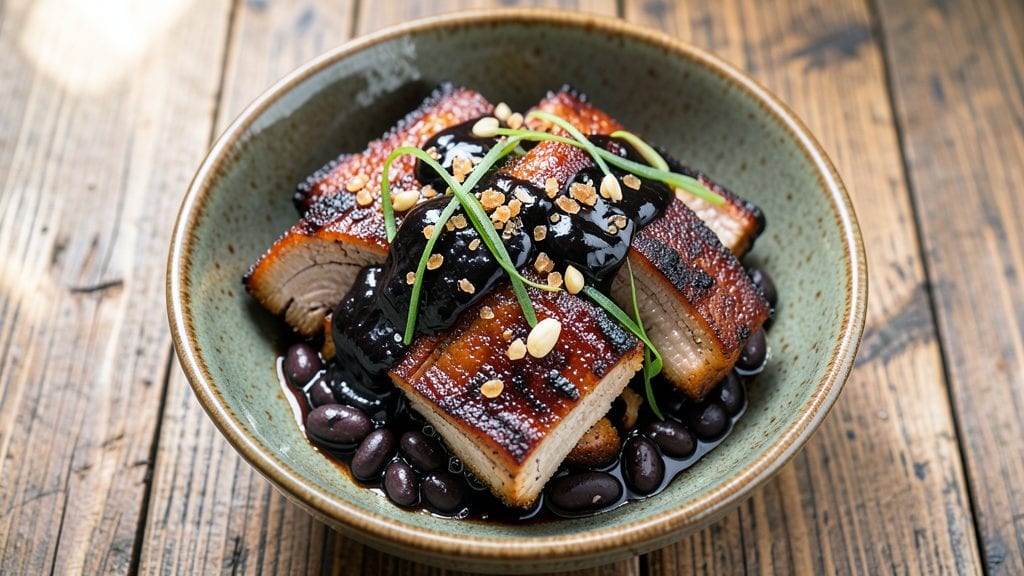
This spareribs with black bean sauce recipe transforms tough cuts into melt-in-your-mouth perfection with a smoky-sweet glaze that caramelizes beautifully. The secret lies in slow-braising the ribs until tender, then finishing them with a rich black bean sauce that balances earthy depth with subtle sweetness.
After years of perfecting this technique, I can confidently say this method delivers restaurant-quality results at home—no special equipment required.
The process begins with a simple marinade that tenderizes the ribs while building flavor, followed by a low-and-slow braise that develops that signature fall-off-the-bone texture.
The black bean sauce, made with pureed black beans, soy sauce, and a touch of brown sugar, adds a velvety, umami-rich coating that caramelizes into a glossy glaze when finished. What makes this recipe truly special is how the sauce's natural sweetness complements the smoky ribs without overpowering them.
By the time you serve these ribs, you'll have a dish that's rich, tender, and dripping with flavor—each bite offering a perfect balance of smoky, sweet, and savory notes. The sauce clings beautifully to the ribs, creating a sticky, caramelized crust that's impossible to resist.
This recipe is ideal for feeding a crowd or enjoying as a centerpiece for a special dinner.
Pair with steamed jasmine rice and quick-pickled vegetables to round out the meal, or serve with crusty bread to soak up every last drop of that luscious black bean sauce. The combination of textures and flavors makes this dish unforgettable—ready to impress even the most discerning guests. Let's get cooking!
Ingredients for spareribs with black bean sauce
Six pounds of ribs meet a velvety black bean sauce that caramelizes into restaurant-quality perfection.
| Ingredient | Amount | Notes |
|---|---|---|
| Pork Spareribs 🍖 | 4 lb | Bone-in, cut into individual ribs |
| Black Beans 🌱 | 1 ½ cups | Cooked, canned or dried |
| Soy Sauce 🥢 | ½ cup | Low-sodium preferred |
| Brown Sugar 🍯 | ¼ cup | Packed, light or dark |
| Garlic Cloves 🧄 | 6 cloves | Minced, fresh preferred |
| Ginger Root 🌿 | 1 tbsp | Fresh, grated |
| Red Wine Vinegar 🍷 | ¼ cup | For acidity balance |
| Sesame Oil 🫒 | 1 tbsp | Toasted, for aroma |
| Hoisin Sauce 🥢 | 2 tbsp | For umami depth |
| Honey 🍯 | 2 tbsp | Wildflower preferred |
| Smoked Paprika 🌶️ | 1 tbsp | For smoky flavor |
| Ground Black Pepper 🌶️ | 1 tsp | Freshly cracked |
| Diamond Crystal Kosher Salt 🧂 | 1 ½ tsp | For seasoning balance |
| Yellow Onion 🧅 | 1 whole | Diced, for marinade |
| Fresh Cilantro 🌿 | ¼ cup | Chopped, for garnish |
The spareribs are the foundation—bone-in, cut into individual ribs for even cooking. Costco or local butcher shops typically carry the best quality, often pre-cut for convenience. Look for ribs with good marbling; this fat renders during braising, keeping the meat moist. If you can't find pre-cut ribs, ask your butcher to separate them for you—it saves hours of work. Fresh ginger and garlic elevate the sauce, so don't substitute dried unless absolutely necessary. For the black beans, canned low-sodium varieties save time, but dried beans create a richer texture if you're patient enough to soak them overnight.
No soy sauce? Coconut aminos or tamari work in a pinch, though the flavor will differ slightly. Substitute brown sugar with maple syrup or agave for a similar caramelization, though the sauce will have a different depth. Hoisin sauce is essential for that signature umami—Lee Kum Kee is a reliable brand, but any quality hoisin will do. Fresh cilantro adds brightness, but if it's not available, dried cilantro or parsley at half the amount will suffice. The sesame oil should be toasted, not the flavored variety—it adds a nutty aroma that complements the smoky ribs beautifully. For extra richness, a splash of chicken or vegetable broth in the sauce can deepen the flavor without overpowering it.
Store prepped ribs in the refrigerator for up to 3 days before cooking—this allows the marinade to deeply penetrate the meat. The black bean sauce keeps well in the fridge for 5 days or can be frozen for 3 months in airtight containers. For best results, reheat the sauce gently on the stovetop, stirring occasionally to prevent scorching. The ribs reheat beautifully in a 350°F oven for about 20 minutes, covered with foil, to retain moisture. Garnish with fresh cilantro just before serving to preserve its vibrant color and aroma.
Why You'll Love This Recipe
- One-Pan Magic: I swear by this recipe when I don’t want to dirty a dozen dishes. The ribs and beans simmer right in the same pot, so cleanup is basically just wiping a spoon—no fuss, no stress.
- Sweet-Savory Balance: That combo of brown sugar and soy sauce? It’s like a hug for your taste buds. The black beans add earthy depth, while the garlic keeps it bright—every bite is rich but never heavy.
- Crowd-Pleaser for Any Night: Between us, this is my go-to for game days, lazy Sundays, or when I’ve got friends over. It’s hearty enough for a main but simple enough to throw together when I’m not feeling fancy.
- Budget-Friendly Feast: Pork ribs and dried beans stretch this into a full meal without breaking the bank. Honestly, it’s the kind of dish that makes me feel like I’m feeding a whole football team—even when it’s just me and my roommate.
Step-by-step instructions for spareribs with black bean sauce
This method delivers perfectly caramelized spareribs with a rich, balanced black bean sauce that clings to every bite.
Prepare the Spareribs and Marinade Base
Begin by separating the 4 lb pork spareribs into individual ribs, removing any excess silver skin with a sharp knife. In a large bowl, combine the 1.5 cups cooked black beans, 0.5 cup soy sauce, 0.25 cup brown sugar, 6 cloves minced garlic cloves, 1 tbsp grated ginger root, and 0.25 cup red wine vinegar. This marinade creates the foundation for both flavor and moisture retention.
Add the ribs to the marinade, turning to coat completely. Cover and refrigerate for at least 4 hours, preferably overnight. The acidity from the vinegar and soy sauce will begin breaking down the proteins, while the brown sugar starts caramelizing on the surface. This step ensures tender ribs with maximum flavor penetration.
Build the Black Bean Sauce
In a separate bowl, whisk together 2 tbsp hoisin sauce, 2 tbsp honey, 1 tbsp smoked paprika, 1 tsp ground black pepper, and 1.5 tsp diamond crystal kosher salt. Add 1 tbsp toasted sesame oil and mix well. This sauce should be thick enough to cling but still pourable—adjust the consistency by adding 1-2 tablespoons of the reserved marinade if needed.
Dice the 1 whole yellow onion and sauté in a large skillet over medium heat until translucent, about 5 minutes. Remove the onions and set aside. In the same skillet, add the ribs and marinade, bringing to a gentle simmer. Let it cook uncovered for 30 minutes, stirring occasionally, until the liquid reduces by half and the ribs begin to brown.
Slow Cook to Perfect Tenderness
Transfer the ribs and their marinade to a slow cooker, adding the onion back into the mixture. Cover and cook on low for 6 hours, or until the ribs are fork-tender and easily pull away from the bone. The slow cooking ensures the connective tissue breaks down completely, resulting in melt-in-your-mouth texture.
During the last 30 minutes of cooking, stir in the black bean sauce mixture. The residual heat will thicken the sauce naturally as it absorbs into the ribs. The combination of smoky, sweet, and umami flavors should be deeply balanced—if it tastes too sweet, add a splash of red wine vinegar to brighten.
Caramelize and Finish
Transfer the ribs to a baking sheet and broil for 3-5 minutes until the surfaces develop a deep caramelized crust. Watch closely—the sugar in the sauce will burn quickly if left unattended. The ribs should be dark mahogany with crisp edges when done.
Garnish with 0.25 cup chopped fresh cilantro just before serving. The cilantro adds a fresh contrast to the rich, smoky-sweet sauce. Serve immediately with extra sauce spooned over the top, allowing guests to dip each bite into the flavorful glaze.
Pro Tips For Making Spareribs With Black Bean Sauce
- Trim the Fat First: Cut the membrane off the spareribs before cooking—it’s that thin, papery layer between the meat and bone. I learned this the hard way after struggling to tenderize ribs that stayed tough no matter how long I braised them. Use a butter knife or your fingers to pry it loose, then give the ribs a quick rinse. This isn’t just about flavor; it’s about letting the sauce actually penetrate the meat.
- Blister the Garlic: Sear the minced garlic in oil until it’s golden and slightly crispy—before adding the black beans. Sounds weird, but it works: the caramelized garlic adds depth that raw or lightly cooked garlic can’t match. If you’re impatient like me, keep an eye on it; it burns faster than you’d think, and you’ll taste the difference.
- Simmer, Don’t Boil: Once the ribs hit the sauce, keep the heat low enough that you’re barely seeing bubbles—no rolling boil. I used to rush this, and the sauce would turn watery, diluting the soy and sugar flavors. A gentle simmer (about 170°F) keeps the ribs tender while letting the black beans and sauce meld without falling apart.
- Toast the Beans Dry: Drain and rinse the black beans, then spread them on a dry skillet over medium heat for 3–4 minutes. You’re not cooking them—just drying them out so they absorb the sauce later instead of turning it into soup. Skip this, and your sauce will be thinner than you want, no matter how much you reduce it.
Troubleshooting this recipe
Ribs Too Tough?
If your ribs aren't tender after 6 hours in the slow cooker, you likely need more time. Increase cooking to 8 hours on low, or switch to a Dutch oven on the stovetop at 300°F for 3-4 hours.
The key is patience—connective tissue needs time to break down. I’ve found that Costco pork spareribs often require the extra time due to their size and fat content. 💡
Sauce Too Thin?
The black bean sauce should coat the back of a spoon but remain pourable. If it’s too thin, simmer it uncovered for 5-10 minutes to reduce. For extra thickness, whisk in 1 tsp cornstarch mixed with 1 tbsp water.
Avoid over-reducing—you want a glossy, clingy sauce, not a dry glaze. I’ve used Lee Kum Kee hoisin sauce for years, as it adds the perfect umami depth without thinning the mixture. ✨
Burnt Edges?
Broiling too long causes sugar in the sauce to burn, creating bitter flavors. Keep a close eye on the ribs and broil for only 3-4 minutes at most.
If the sauce starts to darken too quickly, move the tray back from the heat source or cover with foil for 1 minute to finish cooking. A meat thermometer is your best friend here—aim for 203°F internal temperature before broiling. 🔥
Sauce Too Sweet?
If the sauce tastes overly sweet, balance it with 1-2 tbsp red wine vinegar or a splash of soy sauce. The acidity cuts through the sugar while enhancing the umami. For a smokier profile, add ½ tsp smoked paprika or a dash of liquid smoke.
I’ve also found that reducing the brown sugar to ¼ cup (instead of ½ cup) helps prevent excessive sweetness while keeping the caramelization. 🌶️
Ribs Dry Out?
Overcooking or broiling too aggressively can dry out the ribs. To prevent this, wrap them tightly in double-layered foil after slow cooking and let them rest for 10 minutes before broiling.
The residual heat will finish cooking them without drying. If reheating leftovers, cover with foil and bake at 300°F for 20 minutes to retain moisture. 💫
Sauce Separates?
If the sauce splits or looks oily, it’s likely due to the fat from the ribs. Skim excess fat from the cooking liquid before mixing in the sauce, and avoid stirring too vigorously during the slow cook.
For a smoother texture, blend the sauce briefly in a blender or food processor before adding it back to the ribs. I’ve also had success adding 1 tsp xanthan gum to stabilize the sauce if needed. 🥄
Nutrition facts
Frequently asked questions
Can I substitute baby back ribs for spareribs in this recipe?
Yes, you can use baby back ribs, but you'll need to adjust cooking times. Baby backs are leaner and cook faster than spareribs, so reduce the slow cooker time to 4-5 hours on low. Their smaller size means they'll caramelize more quickly during the broiling step, so watch them closely for just 2-3 minutes in the broiler. The sauce will still work beautifully with either cut!
How do I make this recipe in a slow cooker without a stovetop?
Simply combine all marinade ingredients directly in the slow cooker with the ribs. Cook on low for 6-7 hours, then stir in the black bean sauce during the last 30 minutes. For caramelization, transfer ribs to a baking sheet and broil for 3-4 minutes in a conventional oven (use the broiler function). The slow cooker handles all the tenderizing work perfectly!
What's the best way to reheat leftover spareribs?
Reheat leftovers in a 300°F oven for 20-25 minutes, covered with foil, to maintain moisture. For extra crispiness, broil for 1-2 minutes at the end. Never microwave—it makes the sauce watery. The oven method preserves that perfect caramelized texture while gently warming through.
Can I make the black bean sauce ahead of time?
Prepare the sauce up to 3 days in advance and store it in an airtight container in the fridge. The flavors deepen over time. When ready to use, simply reheat it gently on the stove, stirring occasionally. If it thickens too much, add 1-2 tbsp water to restore consistency before mixing with the ribs.
What sides pair best with these ribs?
For a complete meal, serve with steamed jasmine rice to soak up the sauce, quick-pickled vegetables for acidity contrast, and garlic green beans for freshness. Cornbread or crusty bread also works wonderfully. The sauce's richness pairs beautifully with anything slightly tangy or starchy to balance the flavors.