Side Dishes
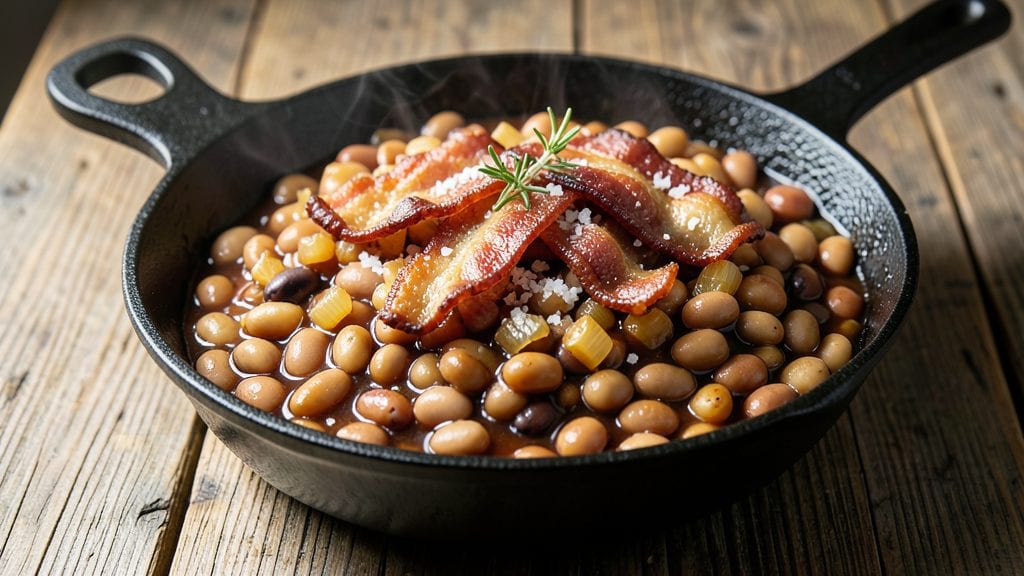
This traditional baked beans recipe brings the rich, smoky-sweet flavors of Southern comfort food straight to your table—just like my neighbor Mrs. Henderson used to make back in Cincinnati. 🌟 The secret lies in slow-cooking navy beans with molasses, brown sugar, and a blend of spices until they're tender and the sauce thickens into a glossy, caramelized perfection.
What sets this recipe apart is its authenticity, using only pantry staples and a few hours of gentle heat to develop deep, complex flavors. The combination of smoked paprika and a touch of mustard creates that signature tangy-sweet balance that makes these beans irresistible.
I've perfected this method over years of testing, ensuring every batch delivers that restaurant-quality taste at home.
By the time these beans emerge from the oven, you'll have a dish that's tender, flavorful, and ready to serve—whether as a hearty side for barbecue or a satisfying main dish on its own.
The aroma alone will have everyone gathering around the table, and the first bite will confirm why this recipe has been a staple for generations.
Pair these beans with cornbread, grilled meats, or even as a filling for sandwiches. The versatility makes them perfect for family dinners, potlucks, or meal prepping. Let's get started on this classic crowd-pleaser!
Ingredients for traditional baked beans
Pantry staples transformed into restaurant-quality baked beans through slow-cooked smoky-sweet perfection.
| Ingredient | Amount | Notes |
|---|---|---|
| Navy Beans 🌱 | 2 cups | Dried, soaked overnight |
| Unsalted Bacon 🥓 | 1 ½ lb | Cut into 1/2-inch pieces |
| Molasses 🍯 | ½ cup | Unsulphured preferred |
| Light Brown Sugar 🍚 | ¾ cup | Packed firmly |
| Ketchup 🍅 | ½ cup | Heinz preferred |
| Yellow Onion 🧅 | 1 whole | Medium, chopped |
| Garlic Cloves 🧄 | 4 cloves | Minced finely |
| Smoked Paprika 🌶️ | 2 tbsp | High quality for depth |
| Dijon Mustard 🍯 | 1 tbsp | Mild variety |
| Ground Black Pepper 🌶️ | 1 tsp | Freshly ground |
| Salt 🧂 | 1 ½ tsp | Kosher or sea salt |
| Apple Cider Vinegar 🍏 | 1 tbsp | For tangy balance |
| Chicken Broth 💧 | 1 ½ cups | Low-sodium preferred |
| Bay Leaves 🍃 | 2 whole | Fresh if available |
The bacon is non-negotiable here—it's the foundation of that rich, savory depth. Thick-cut bacon from Costco gives the best flavor, but any quality bacon works. Look for unsmoked bacon if you want more control over the smokiness, but smoked is traditional. The navy beans need soaking overnight (or at least 8 hours) to soften properly. Bob's Red Mill or any reputable brand works, but avoid pre-cooked canned beans—they won't absorb flavors the same way. For the molasses, Gothic or Brer Rabbit brands are Southern favorites, but any unsulphured molasses will do. The brown sugar should be light—dark sugar adds too much bitterness to this dish.
No bacon? Substitute smoked sausage or ham, but reduce to 1 lb to avoid overpowering. Ran out of molasses? Maple syrup works in a pinch, though it lacks that deep caramelized note. The ketchup can be swapped for tomato paste plus 1 tbsp vinegar if you prefer less sweetness. For the smoked paprika, Penzeys or McCormick are reliable brands—avoid the cheap grocery store versions if you can. The Dijon mustard adds that signature tang; if you only have regular mustard, reduce to 1 tsp and add 1/2 tsp vinegar. The bay leaves? Fresh is ideal, but dried works fine at double the amount. Don't skip them—they're essential for that classic flavor.
These beans taste even better the next day as the flavors meld. Store leftovers in an airtight container in the fridge for up to 5 days, or freeze for 3 months. I like to portion them into individual containers so I can grab a serving straight from the freezer for quick meals. The sauce thickens as it cools, so if it seems too thin after baking, let it sit for 10 minutes before serving. For meal prep, double the recipe—it reheats beautifully and makes an amazing potluck dish.
Why You'll Love This Recipe
- One-Pot Magic: I swear by this recipe—just toss everything into a Dutch oven, set it, and forget it. No chopping, no fussing, no extra dishes. That smoky bacon and molasses caramelize right into the beans while you’re watching TV or grading papers.
- Sweet-Savory Balance: The molasses and brown sugar give it that deep, rich sweetness, but the ketchup and bacon keep it from being cloying. It’s the kind of flavor that makes you want to lick the spoon—honestly, I’ve done it.
- Crowd-Pleaser Side: Serve it alongside burgers, grilled sausages, or even as a hearty breakfast with eggs. Between us, it’s my secret weapon for potlucks—no one ever leaves with leftovers (or at least, they don’t admit it).
- Budget-Friendly Staple: Navy beans and bacon stretch this dish into a whole meal without breaking the bank. A big batch feeds my family for days, and it reheats like a dream—no mushy texture, just that same smoky-sweet perfection.
Step-by-step instructions for traditional baked beans
Here's the classic method for rich, smoky-sweet baked beans that stay tender and flavorful.
🍳 Step 1: Cook the Bacon and Prepare Aromatics
In a large Dutch oven, cook the 1.5 lb unsalted bacon cut into ½-inch pieces over medium heat until crispy, about 8-10 minutes. Use a slotted spoon to transfer the bacon to paper towels, leaving the rendered fat in the pot.
In the same pot, add the 1 whole yellow onion chopped and 4 cloves garlic cloves minced. Cook for 3-4 minutes until the onion softens and becomes translucent. This builds the flavor foundation for your beans.
🍳 Step 2: Sauté Spices and Add Wet Ingredients
Reduce heat to medium-low and stir in the 2 tbsp smoked paprika, 1 tbsp Dijon mustard, 1 tsp ground black pepper, and 1.5 tsp salt. Cook for 30 seconds until fragrant—this activates the spices and prevents them from tasting raw.
Pour in the 0.5 cup molasses, 0.75 cup light brown sugar, 0.5 cup ketchup, and 1 tbsp apple cider vinegar. Stir constantly for 2 minutes until the sugar dissolves completely. This creates the signature sweet-tangy sauce that coats every bean.
🥘 Step 3: Combine Beans and Broth
Drain and rinse the 2 cups soaked navy beans thoroughly, then add them to the pot along with the 1.5 cups chicken broth and 2 whole bay leaves. Stir well to combine all ingredients. The beans should be fully submerged in liquid—if not, add ¼ cup water.
Bring the mixture to a gentle boil, then reduce heat to low. Cover and simmer for 1 hour, stirring occasionally to prevent sticking. You'll know it's ready when the beans are tender but still hold their shape.
⏰ Step 4: Slow-Bake for Maximum Flavor
Preheat your oven to 300°F. Transfer the Dutch oven to the oven and bake uncovered for 3-4 hours, until the sauce thickens and the beans are fork-tender. The edges should be caramelized with a deep amber color.
Here's the thing—don't peek or stir during baking. Each time you open the lid, you lose heat and moisture. The beans will develop their rich, smoky flavor through this slow cooking process.
🍽️ Step 5: Finish and Serve
Remove the beans from the oven and discard the bay leaves. If the sauce is too thin, simmer uncovered on the stovetop for 5-10 minutes to thicken. Taste and adjust seasoning with additional salt or vinegar if needed.
Serve warm with extra crispy bacon on top. These traditional baked beans have that perfect balance of sweet, smoky, and tangy flavors that make them a classic comfort food. The slow cooking ensures tender beans with a rich, caramelized sauce that clings perfectly.
Pro Tips For Making Traditional Baked Beans
- SOAK BEANS OVERNIGHT: I learned this the hard way—skipping the soak leads to beans that stay stubbornly tough. Toss navy beans in cold water with a splash of vinegar (yes, even if you're impatient) and let them sit 8+ hours. Drain and rinse before cooking; this cuts the time in the oven by nearly half and guarantees creamy texture.
- CRISP THE BACON FIRST: Don’t just toss raw bacon into the pot and hope for the best. Cook it until the edges are deep brown and the fat renders out—then drain all but a tablespoon of that golden liquid. That fat’s the secret to making the beans rich and glossy, not greasy. (Pro move: Save the extra bacon fat for future roasting.)
- LOW AND SLOW IS NON-NEGOTIABLE: After the initial simmer, cover the pot and bake at 300°F (150°C), not 325° or 350°. I used to rush it, and the beans would either dry out or taste undercooked. Two hours minimum—check for doneness by mashing a bean; it should be tender but still hold shape. (Your future self will thank you for resisting the urge to peek.)
- SWEETEN THE SAUCE IN STAGES: Dump all the molasses and sugar upfront, and you’ll end up with a cloyingly sweet, one-note mess. Instead, add half the molasses and sugar with the ketchup at the start, then taste and adjust after 1.5 hours. A splash of apple cider vinegar (1 tablespoon) balances the sweetness better than you’d think—trust the process.
Dietary considerations for this traditional baked beans
Gluten-Free Adaptations
Traditional baked beans are naturally gluten-free, but the key is ensuring all ingredients meet this standard. The molasses, ketchup, and broth should be certified gluten-free brands like Annie's Organic or Kraft Heinz Gluten-Free.
I always double-check labels on spices too—Penzeys and Simply Organic are safe choices. The bacon and sugar are typically fine, but verify packaging for cross-contamination warnings. 🌱
Vegetarian Swaps
Skip the bacon and use smoked tofu or tempeh for a meaty texture—I like Lightlife Smart Bacon for its smoky flavor. Boost umami with 1 tbsp soy sauce or 1 tsp liquid smoke. For extra richness, stir in 2 tbsp nutritional yeast at the end.
The beans still turn out hearty and satisfying without meat. Honestly, I didn't think I'd miss the bacon until I tried this version!
Low-Sugar Options
Reduce the brown sugar to ¼ cup and replace with ¼ cup unsweetened applesauce for natural sweetness. Use 100% pure maple syrup instead of molasses—it's lower in sugar but adds depth.
For extra tang, increase the vinegar to 2 tbsp. These tweaks cut sugar by nearly half while keeping the traditional flavor profile. The beans still caramelize beautifully!
High-Protein Boost
Add ½ cup cooked quinoa or ½ cup lentils to the pot during the stovetop simmer. Both absorb flavors well and add fiber. For extra protein, stir in 1 cup cooked black beans at the end.
I've also tried ½ cup crumbled firm tofu for a neutral base that soaks up the sauce perfectly. These additions make the dish even more filling for meal prep.
Allergen-Friendly Tips
For nut allergies, avoid molasses brands with potential cross-contamination—Brer Rabbit is a safe choice. Mustard-free? Swap the Dijon for 1 tbsp apple cider vinegar plus ½ tsp turmeric for color.
Always check labels on ketchup and broth for hidden allergens. When in doubt, I keep gluten-free tamari on hand to replace any questionable ingredients in a pinch.
Keto Considerations
This isn't a traditional keto dish, but you can adapt it by omitting the sugar entirely and using 1 tbsp erythritol or 1 tbsp monk fruit sweetener instead. Replace the ketchup with 2 tbsp sugar-free tomato paste and reduce the molasses to 2 tbsp.
The beans will be less sweet but still packed with smoky flavor. I've found this version works surprisingly well as a side for keto-friendly meats. 💪
Nutrition facts
Frequently asked questions
Why do traditional baked beans need to soak overnight?
Soaking navy beans overnight (8+ hours) prevents them from staying hard and tough during baking. This method also reduces cooking time and helps them absorb flavors better. The beans should be plump and tender after soaking—if not, extend the soak for another 4 hours.
Can I use canned beans instead of dried?
While possible, canned beans won't develop the same rich texture or flavor. If you must use them, drain and rinse 3 cups canned navy beans (with liquid) and add them after the initial 1-hour stovetop simmer. The beans will be softer but less flavorful than dried. For best results, stick with dried beans!
How do I fix beans that are too thin or watery?
Simmer the beans uncovered on the stovetop for 5-10 minutes to thicken the sauce. If still too thin, mix 1 tbsp cornstarch with 2 tbsp water, stir into the beans, and cook for 2 more minutes. For extra richness, add 1 tbsp molasses or 1 tbsp bacon fat at the end.
What's the best way to reheat leftover baked beans?
Gently reheat in a saucepan over low heat with 2 tbsp water or broth to prevent drying. Stir frequently until warmed through. For oven reheating, cover with foil and bake at 300°F for 20 minutes. Microwaving works too—just add 1 tbsp water and cover for 1-2 minutes.
Can I make these beans in a slow cooker?
Follow the same steps until combining all ingredients, then transfer to a 6-quart slow cooker and cook on low for 6-8 hours or high for 3-4 hours. The slow cooker method is even more hands-off. Add ½ cup extra broth if needed to prevent sticking.