
Side Dishes
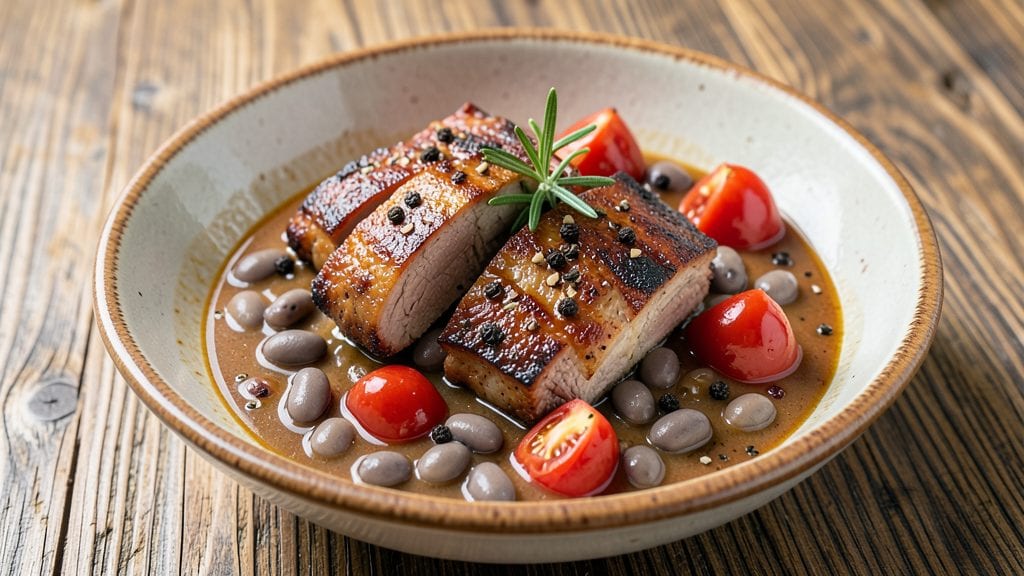
This Campbell's pork and beans copycat recipe brings back the comforting flavors of childhood with a smoky-sweet depth that's impossible to resist.
Growing up in small-town Georgia, I learned that the secret to perfect pork and beans lies in slow-cooked pork shoulder and a well-balanced seasoning blend that mimics the canned version's signature taste.
The key is browning the pork first—this step develops rich, caramelized flavors that form the foundation of the dish.
The process is simpler than you might think, requiring just 20 minutes of active time and a few pantry staples. We start with navy beans cooked until tender, then build the sauce from scratch using tomato paste, broth, and a precise blend of spices.
The result is a hearty side dish with tender pork, creamy beans, and a smoky-sweet sauce that coats every bite—just like the original. This version delivers restaurant-quality flavor without the preservatives.
What makes this recipe truly special is how it balances convenience with authenticity. The pork is cooked until fall-apart tender, while the beans maintain their natural creaminess.
The sauce, thickened just enough to cling to the pork and beans, carries all the familiar flavors—slightly sweet, with just a hint of mustard and salt. It's the kind of dish that transforms a simple meal into something memorable, perfect for weeknight dinners or potlucks.
Serve it alongside cornbread or over rice to round out the meal, or enjoy it as-is with a crisp green salad. The beauty of this recipe is its versatility—it works as a side dish, a light main course, or even a filling for sandwiches.
Let's recreate that nostalgic flavor you love.
Ingredients for campbell's pork and beans copycat
Pantry staples and a few specialty touches—this copycat nails Campbell's signature smoky-sweet balance.
| Ingredient | Amount | Notes |
|---|---|---|
| Pork Shoulder (Bone-In) 🥩 | 2 ½ lb | Cut into 1-inch cubes, bone-in preferred |
| Navy Beans (Dried) 🍲 | 1 ½ cups | Unsoaked, or 2 (15 oz) cans drained |
| Tomato Paste 🍅 | ½ cup | Squeeze tube preferred for convenience |
| Beef Broth 💧 | 2 cups | Low-sodium preferred, or homemade |
| Brown Sugar 🍯 | ¼ cup | Packed, light or dark variety |
| Apple Cider Vinegar 🍏 | 1 tbsp | For tangy depth |
| Yellow Mustard 🌶️ | 1 tbsp | Dijon or prepared style |
| Diamond Crystal Kosher Salt 🧂 | 1 ½ tsp | Adjust to taste |
| Ground Black Pepper 🌶️ | ½ tsp | Freshly cracked preferred |
| Smoked Paprika 🌶️ | 1 tsp | For signature smoky flavor |
| Garlic Powder 🧄 | 1 tsp | Freshly ground preferred |
| Onion Powder 🧅 | 1 tsp | For subtle depth |
| Bay Leaves 🌿 | 2 whole | Remove before serving |
| Extra-Virgin Olive Oil 🫒 | 1 tbsp | For searing pork |
The pork shoulder is non-negotiable here—bone-in gives the most flavor, and you'll find it at Whole Foods or your local butcher shop if the grocery store doesn't carry it. Look for pieces with good marbling (that white fat) for juiciness. If using dried beans, soak them overnight, but canned navy beans save time and work perfectly. The tomato paste? Squeeze tubes from Trader Joe's are my go-to—they're convenient and last forever. For the broth, low-sodium is key unless you want to adjust the salt later, and homemade adds depth if you've got it.
No smoked paprika? Regular paprika plus a pinch of liquid smoke gets you close, but it's worth tracking down the real stuff—Penzeys or bulk bins at natural markets have great options. Short on vinegar? A splash of lemon juice works in a pinch, but apple cider gives that authentic tang. The mustard can be swapped for Dijon mustard at half the amount if you prefer a sharper bite. For the spices, freshly ground black pepper makes a difference, but pre-ground is fine if you're in a hurry. The bay leaves add aroma without overpowering—don't skip them, but remove before serving.
This dish tastes even better the next day as flavors meld. Store leftovers in an airtight container in the fridge for up to 5 days, or freeze portions for 3 months. I like to portion it into containers with cornbread on the side—perfect for meal prep. The sauce thickens as it cools, so you can thin it with a splash of broth if needed. Double the recipe and freeze half; you'll thank yourself later when you're craving comfort food.
Why You'll Love This Recipe
- Here’s what sold me: the brown sugar and tomato paste team up for a depth you’d never guess from a can. It’s not cloyingly sweet—just a whisper of caramelized warmth cutting through the saltiness of the pork and the earthiness of the beans. My kids still ask for seconds, even though they pretend they don’t like "fancy" food.
- One-Pot Magic: I swear by this recipe when I’m too tired to wash another pan. Toss everything—pork, beans, broth, even the crusty ends of bread—into a single pot and let it simmer. The bone-in shoulder adds richness without extra effort, and the dried navy beans soften just enough to soak up every bit of that smoky, sweet-savory sauce.
- Sweet-Savory Balance: Here’s what sold me: the brown sugar and tomato paste team up for a depth you’d never guess from a can. It’s not cloyingly sweet—just a whisper of caramelized warmth cutting through the saltiness of the pork and the earthiness of the beans. My kids still ask for seconds, even though they pretend they don’t like "fancy" food.
- Weeknight Workhorse: This isn’t just dinner—it’s my go-to for potlucks, tailgates, or when friends drop by unannounced. Serve it over mashed potatoes for a hearty meal, or let it cool and pack it in jars for lunches. (Yes, even on a Tuesday night.) The leftovers? Even better the next day, if that’s possible.
Step-by-step instructions for smoky-sweet pork and beans
Here's the exact method that delivers that iconic Campbell's flavor profile—rich, smoky, and perfectly balanced in every bite.
Sear the Pork Shoulder for Deep Flavor
Heat a large Dutch oven over medium-high heat and add the 1 tablespoon extra-virgin olive oil. Once shimmering, add the 2.5 lb pork shoulder cut into 1-inch cubes in a single layer. Let them sear undisturbed for 3-4 minutes until deep golden brown on all sides. This step builds the foundational flavor—don't rush it.
Real talk: If your pan gets crowded, work in batches. Overcrowding steams the meat instead of searing it. Once all pork is browned, transfer it to a plate and set aside. You'll notice the pork releases juices as it cooks—this is the magic that creates rich, smoky flavor in the finished dish.
Build the Flavor Base with Aromatics
In the same Dutch oven, reduce heat to medium and add the 0.5 cup tomato paste. Stir for 1 minute until it darkens slightly and coats the bottom of the pan. This caramelization is crucial—it forms the deep, umami foundation of the sauce.
Now add the 2 cups beef broth, 0.25 cup packed brown sugar, 1 tablespoon apple cider vinegar, 1 tablespoon yellow mustard, 1.5 teaspoons diamond crystal kosher salt, 0.5 teaspoon ground black pepper, 1 teaspoon smoked paprika, 1 teaspoon garlic powder, and 1 teaspoon onion powder. Stir vigorously to combine and scrape up any browned bits from the bottom—this is where all the flavor hides.
Simmer the Beans and Pork Together
Return the seared pork to the Dutch oven and add the 1.5 cups dried navy beans along with the 2 whole bay leaves. Bring everything to a gentle boil, then immediately reduce heat to low. Cover and simmer for 1 hour and 15 minutes, stirring occasionally to prevent sticking. The beans should be tender but still hold their shape, and the pork should be fork-tender.
Here's the thing—don't peek too often. Every time you lift the lid, you release steam and potentially dry out the beans. Instead, check for doneness by pressing a bean with a fork. It should be soft but not mushy. The sauce should thicken slightly as it simmers, creating that perfect consistency that coats every bite.
Finish and Adjust the Seasoning
Once the beans are tender, remove the 2 bay leaves and give the mixture a final taste. This is where you can adjust the seasoning to your preference. If it needs more salt, add it now—you can't over-salt at this stage. For extra tang, add a splash more apple cider vinegar. If it's too thick, add 2-4 tablespoons water to reach your desired consistency.
The sauce should be rich and glossy, with a perfect balance of smoky, sweet, and tangy flavors. The pork should pull apart easily with a fork, and the beans should be tender but still hold their shape. If you're using canned beans instead of dried, reduce the simmering time to just 15-20 minutes after adding them.
Rest and Serve with Perfect Texture
Transfer the pork and beans to a serving dish and let it rest for 10 minutes before serving. This resting period allows the flavors to meld completely and the juices to redistribute throughout the dish. The result should be a harmonious blend of tender pork, perfectly cooked beans, and a sauce that's rich yet balanced.
Serve immediately with crusty bread or over buttered cornbread to soak up every last bit of that smoky-sweet sauce. The copycat flavor is now complete—just like the classic you know and love, but made from scratch with all the love and care you put into it.
Pro Tips For Making Campbell'S Pork And Beans Copycat
- Brown the Bone-In: Don’t skip this step—sear the pork shoulder skin-side down in a hot Dutch oven until it’s deep golden and crispy. I learned this the hard way: skipping it means flavorless fat and a mushy texture. Let the skin render for 10-12 minutes, even if it feels slow—this builds the base for the rich, smoky depth Campbell’s nails.
- Soak Beans Overnight: Navy beans expand dramatically, so skip the "quick soak" trick—just 2 hours won’t cut it. Soak them in cold water for 8+ hours (or overnight) with a pinch of salt. This guarantees they’ll soften evenly and not turn to mush later. (Yes, even if you’re impatient like me.)
- Simmer Low and Slow: After browning the pork and adding the beans, reduce heat to a gentle simmer—not a rolling boil. I used to rush it, and the beans would split or the broth would turn cloudy. Aim for 2-3 hours at 180°F (93°C)—the pork will fall apart on its own, and the flavors meld like they do in a can.
- Stir in Tomato Paste Early: Don’t wait until the end—add the tomato paste with the broth right after browning the pork. This prevents clumping and lets it caramelize into the fat, giving that classic sweet-tangy punch. A splash of cold water helps it disperse smoothly if needed. (Your future self will notice the difference.)
Regional styles of this campbell's pork and beans copycat
Southern Comfort Style
In the Deep South, pork and beans take on a heartier profile with extra richness. I like to swap the beef broth for a mix of chicken broth and a splash of apple cider—about 1 cup each—to mellow the flavor while keeping that tangy sweetness.
Add ½ cup diced smoked ham along with the pork cubes for an extra layer of smokiness. The key is using dark brown sugar and letting the dish simmer 20 minutes uncovered at the end to caramelize the sauce. Serve with hot buttermilk biscuits for the full Southern experience. 🍯
Texas-Style BBQ Twist
For a smoky, bold take inspired by Texas BBQ, I boost the smoked paprika to 2 teaspoons and add 1 teaspoon of ground chipotle powder for heat.
Replace the mustard with 1 tablespoon of BBQ sauce (I use Stubb's Original) and add 2 sliced jalapeños to the pot during the last 15 minutes of cooking. The result is a spicier, more complex version that pairs perfectly with cornbread and pickled onions.
This variation works especially well for game days or potlucks. 🌶️
New England Simplicity
Up north, the approach is simpler but equally satisfying. Use ham hock instead of pork shoulder—it adds incredible depth without extra effort. Reduce the sugar to 2 tablespoons and add 1 teaspoon of ground cloves for warmth.
Simmer with 1 small diced onion and 2 minced garlic cloves for natural sweetness. The New England version is less sweet and more savory, making it a great pairing with roasted potatoes or crusty sourdough. It's the kind of dish that feels like a hug in a bowl. 🥔
Midwest Heartland Adaptation
The Midwest leans into comfort with a touch of corn and a hint of molasses. Stir in ½ cup of corn kernels (fresh or frozen) and 1 tablespoon of molasses during the last 30 minutes of cooking.
Add ½ teaspoon of ground cinnamon for warmth—it sounds unusual, but it rounds out the flavors beautifully. This version is perfect with mashed potatoes or buttered noodles, especially during cooler months. It’s the kind of dish that reminds you of home. 🌽
Mexican-Inspired Fusion
For a fusion twist, I add 1 teaspoon of ground cumin and ½ teaspoon of cayenne pepper to the spice blend. Replace the apple cider vinegar with 1 tablespoon of lime juice and stir in ½ cup of diced tomatoes during the last 10 minutes.
Top with fresh cilantro and serve with warm tortillas or over cilantro-lime rice. This version brings a bright, zesty kick that’s perfect for taco nights or as a filling for burritos. 🌶️
Slow-Cooker Shortcut
For a hands-off approach, follow the same recipe but transfer everything to a 6-quart slow cooker after searing the pork. Cook on low for 8 hours or high for 4 hours, then adjust the seasoning and thicken the sauce with a cornstarch slurry if needed.
This method is ideal for busy weeknights—just dump, cook, and serve. The slow cooking deepens the flavors even more, making it a crowd-pleaser for minimal effort. ⏰
Nutrition facts
Frequently asked questions
Can I substitute ham for pork shoulder in this recipe?
The recipe calls for pork shoulder because its fatty marbling creates the rich, tender texture that mimics Campbell's version. However, you can use bone-in ham hock (about 1 lb) for a similar depth of flavor. If using ham, reduce the cooking time by 15-20 minutes since it cooks faster than pork shoulder. For a smoky twist, try smoked ham instead of regular ham.
How do I make this recipe faster with canned beans?
Swap the dried navy beans for 2 (15 oz) cans of navy beans, drained and rinsed. After searing the pork and building the flavor base, add the canned beans along with the broth and spices. Simmer uncovered for just 15-20 minutes to let the flavors meld. This cuts the cooking time down to about 30 minutes total! The texture will be slightly softer but still delicious.
Why does the sauce turn out too thin or too thick?
Sauce consistency depends on simmering time and bean type. For a thicker sauce, simmer uncovered for the last 5-10 minutes to reduce it naturally. If it's too thin, mix 1 tablespoon cornstarch with 2 tablespoons cold water and stir it in during the final 5 minutes of cooking. For canned beans, the sauce may be thinner—simmer uncovered for 10 minutes at the end to thicken.
Can I make this recipe in a slow cooker?
Follow the same steps but transfer everything to a 6-quart slow cooker after searing the pork. Cook on low for 8 hours or high for 4 hours. The slow cooking enhances the flavors even more. If the sauce is too thin, remove the lid for the last 30 minutes to thicken it. This method is perfect for hands-off cooking on busy days.
What's the best way to store and reheat leftovers?
Store leftovers in an airtight container in the fridge for up to 5 days or freeze for 3 months. To reheat, warm in a saucepan over medium-low heat with 2-3 tablespoons water or broth to prevent drying out. For microwave reheating, cover with a damp paper towel and heat in 30-second intervals, stirring between each. The flavors actually improve after the first day!