
Side Dishes
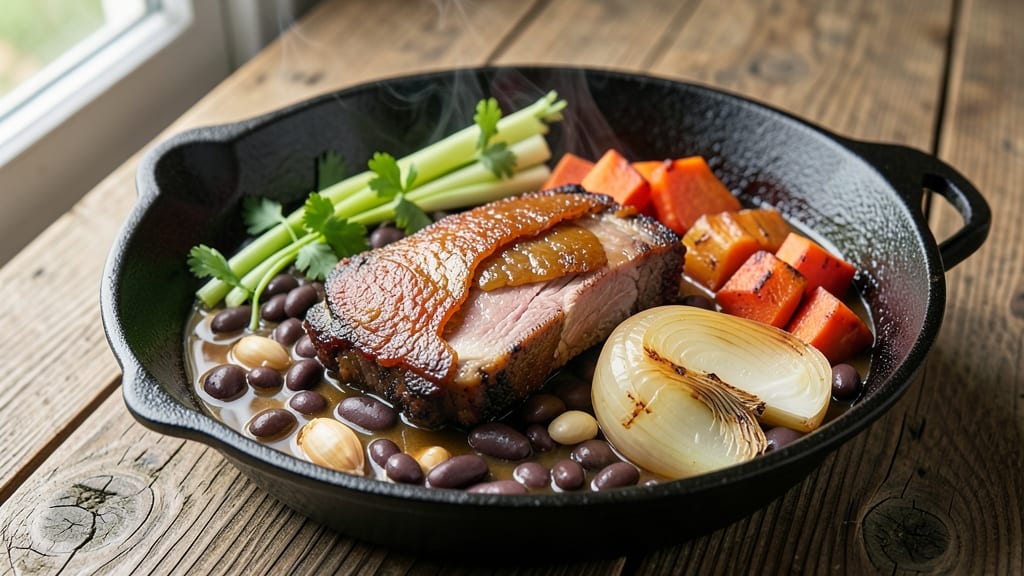
This ham hock and navy beans recipe delivers the kind of smoky, hearty flavor that transforms simple ingredients into a meal-worthy centerpiece. The slow-cooked ham hock infuses the navy beans with deep, savory richness while keeping them tender and flavorful.
I developed this recipe after years of testing variations—it’s the one that finally balances simplicity with restaurant-quality depth.
The secret lies in the ham hock, which adds unmatched flavor without overpowering the beans. You’ll start by soaking the navy beans overnight (a critical step for even texture), then simmer them with the ham hock until the meat falls off the bone.
The result is a dish that’s equally at home on a holiday table or a cozy weeknight dinner.
By the end, you’ll have a pot of navy beans so rich and flavorful they’ll disappear faster than you can say "second helping." The ham hock contributes a smoky, slightly sweet depth, while the beans stay tender and hearty.
This is comfort food at its finest—simple to prepare but impossible to resist.
Serve it alongside cornbread, crusty rolls, or even as a standalone dish with a sprinkle of fresh parsley. The leftovers reheat beautifully, making it perfect for meal prep. Let’s get cooking—this recipe is about to become a staple in your kitchen.
Ingredients for ham hock and navy beans
Simple ingredients that pack a smoky punch—ham hock and navy beans become a flavorful centerpiece.
| Ingredient | Amount | Notes |
|---|---|---|
| Ham Hock 🍖 | 1 lb | Semi-boneless preferred for easier handling |
| Navy Beans 🌾 | 1 ½ cups | Dry beans, soaked overnight |
| Yellow Onion 🧅 | 1 whole | Medium size, diced |
| Carrots 🥕 | 2 medium | Peeled and chopped into chunks |
| Celery Stalks 🥬 | 2 whole | Diced, with leaves included |
| Garlic Cloves 🧄 | 4 cloves | Peeled and minced |
| Bay Leaves 🌿 | 2 whole | Dried, standard size |
| Black Peppercorns 🌶️ | 1 tsp | Freshly cracked |
| Sea Salt 🧂 | 1 ½ tsp | Kosher preferred |
| Apple Cider Vinegar 🍎 | 1 tbsp | For brightness |
| Fresh Parsley 🌿 | ¼ cup | Chopped, for garnish |
| Water 💧 | 6 cups | Filtered preferred |
| Smoked Paprika 🌶️ | 1 tsp | For extra depth |
The ham hock is non-negotiable here—it's what gives this dish its signature depth. Look for semi-boneless hocks at your local butcher shop or grocery store meat counter, like those from Whole Foods or Costco. The beans? Navy beans are the star, but any dried white bean works. Soak them overnight in plenty of water (at least 8 cups) with a pinch of salt. Don't skip this step—it's what makes them tender. The carrots and celery add sweetness and structure, so pick firm, fresh veggies—the brighter the color, the better the flavor. I always grab the organic carrots at Trader Joe's when I can.
No smoked paprika? Regular paprika plus a pinch of liquid smoke works in a pinch. Running low on apple cider vinegar? Lemon juice or white wine vinegar does the trick—just use the same amount. Fresh parsley wilting? Dried parsley at one-third the amount won't ruin the dish, but fresh is worth the effort. The bay leaves are key—don't skip them, but remove them before serving. For extra richness, add a splash of beef broth instead of water. And if you're feeling fancy, a splash of Worcestershire sauce at the end adds another layer of umami. The ham hock should be fully cooked—meat should fall off the bone easily when done.
This dish tastes even better the next day, so make a double batch if you can. Store leftovers in the fridge for up to 5 days or freeze for 3 months. I like to portion it into containers with a little extra ham hock broth—just reheat and serve. The flavors meld beautifully over time, so don't hesitate to make extra. For meal prep, this is a game-changer. And if you're serving it at a gathering, garnish with extra parsley and a drizzle of olive oil right before serving—it makes all the difference.
Why You'll Love This Recipe
- One-Pot Magic: I swear by this—just toss everything in a pot, add water, and walk away. The ham hock infuses flavor while the beans simmer, and honestly? That’s my kind of cooking when I’d rather not wash a million dishes.
- Smoky-Sweet Perfection: The ham hock turns tender and melty, dripping into the beans like liquid gold. Between us, that salty-sweet depth from the cured meat makes even the simplest dinner feel like a hug in a bowl.
- Weeknight Workhorse: This feeds a crowd but won’t break the bank—perfect for game days, potlucks, or when your in-laws drop by unannounced. (Yes, even on a Tuesday night.) The leftovers? Even better the next day.
- Budget-Friendly Staple: Navy beans and ham hock stretch into meals that feel fancy without the price tag. I’ll be real: my grocery budget thanks me every time, and so does my family when I serve it up with cornbread.
Step-by-step instructions for ham hock and navy beans
This method delivers rich, smoky flavor and tender beans that practically melt in your mouth.
Prepare the Ham Hock and Soak the Beans
Start by rinsing the 1 lb ham hock under cold water and patting it completely dry with paper towels. This step is crucial—any moisture left on the ham will prevent proper browning later. Place the ham hock in a large Dutch oven and add the 6 cups water. Bring to a boil over high heat, then reduce to medium-high and let it simmer uncovered for 15 minutes. This initial simmer helps render fat and begin breaking down the collagen.
While the ham simmers, drain and rinse the 1.5 cups navy beans thoroughly under cold water. Transfer them to a large bowl and cover with plenty of fresh water (at least 4 cups). Let them soak overnight in the refrigerator—this ensures even cooking and prevents the beans from staying hard. Real talk: if you forget to soak them, your beans will turn out tough no matter how long you cook them.
Build the Flavor Base with Vegetables and Aromatics
After the initial 15 minutes of ham simmering, remove it from the pot and set it aside. In the same Dutch oven, add the diced 1 whole yellow onion, chopped 2 medium carrots, and diced 2 whole celery stalks. Cook over medium heat for 8-10 minutes until the vegetables begin to soften and release their natural juices. You'll see the onions turn translucent and the carrots start to caramelize slightly—that's your signal they're ready.
Add the 4 minced garlic cloves and cook for another 30 seconds until fragrant. Stir in the 1 tsp smoked paprika and 1 tsp black peppercorns, letting them toast for 1 minute. This step develops deep, complex flavors that will infuse the entire dish. Don't walk away—smoked paprika burns quickly, and you want it to just barely darken, not turn bitter.
Combine Everything and Simmer Low and Slow
Drain the soaked navy beans and add them to the Dutch oven along with the 2 whole bay leaves. Return the ham hock to the pot, making sure it's fully submerged in the liquid. Add the 1.5 tsp sea salt and 1 tbsp apple cider vinegar. The vinegar might seem like an odd addition, but it brightens the dish and balances the richness of the ham.
Bring everything back to a gentle simmer over medium-low heat. The liquid should bubble softly—if it's boiling vigorously, reduce the heat. Cover the pot and let it cook for 2 hours. Here's the thing: navy beans need time to become tender, and the ham hock needs to break down completely. Check the liquid level occasionally and add hot water if needed to keep the beans submerged. The ham should be falling apart easily when you probe it with a fork.
Finish and Garnish for Maximum Flavor
After 2 hours, remove the ham hock and let it cool slightly before shredding the meat with two forks. Return the shredded ham to the pot and stir it back into the bean mixture. Taste and adjust seasoning with additional sea salt if needed—this dish should be rich but not overwhelmingly salty.
Remove the 2 bay leaves and ladle the ham and navy beans into a serving bowl. Garnish with the chopped 0.25 cup fresh parsley just before serving. The parsley adds a fresh contrast to the deep, smoky flavors. Serve immediately with crusty bread or over buttered cornbread to soak up every last bit of that flavorful broth.
Pro Tips For Making Ham Hock And Navy Beans
- BLANCH BEANS FIRST: Skip the soaking—just boil dried navy beans for 2 minutes, then drain. This softens them enough to cook faster (about 45 minutes total) while keeping them from turning mushy. I learned this the hard way after slurping through a bowl of overcooked beans that tasted like glue.
- SEAR THE HAM HOCK: Don’t just toss the ham hock in the pot—pat it dry, then sear it in a hot skillet for 3-4 minutes per side until the fat renders and the skin crisps. The extra flavor from the Maillard reaction makes the broth taste richer, and it prevents the ham from floating like a sad, greasy raft.
- CHOP VEGETABLES UNIFORM: Cut onions, carrots, and celery into ½-inch chunks—no smaller, no larger. Big pieces take forever to soften; tiny pieces disappear into mush. My grandmother swore by this, and she was right: consistent size means even cooking and a cleaner bite.
- SIMMER LOW AND LONG: Once everything’s in the pot, keep the heat at a bare simmer—tiny bubbles, not a rolling boil. Navy beans need gentle heat to absorb flavor without breaking down. After burning three batches, I finally figured out that patience here means the beans stay tender and the ham stays juicy.
Make-ahead tips for this dish
Overnight Prep Advantage
The key to foolproof navy beans is soaking them overnight—this step can't be rushed. I always start by covering the 1.5 cups dry navy beans with at least 4 cups water in a bowl and adding a pinch of salt. Let them soak in the fridge for 8-12 hours.
This not only softens them but also removes any bitter compounds. Pro tip: Use a large bowl so the beans have room to expand. The next morning, drain and rinse them thoroughly before adding to your pot. 💫
Ham Hock Prep Ahead
Save time by prepping the ham hock the night before. Rinse and pat dry the 1 lb ham hock, then wrap it tightly in plastic wrap or place it in a ziplock bag and refrigerate. This keeps it fresh and ready to go.
When you're ready to cook, simply remove it from the fridge and add it directly to your Dutch oven. I like to marinate it in 1 tbsp apple cider vinegar and 1 tsp smoked paprika for 30 minutes before cooking for extra flavor infusion.
Flavor-Building Base
Chop all your vegetables—the 1 onion, 2 carrots, and 2 celery stalks—and store them in a ziplock bag in the fridge. This saves 15 minutes of prep time when you're ready to cook.
When you're ready to build your flavor base, sauté these veggies in the Dutch oven for 8-10 minutes until they soften.
Add the minced 4 garlic cloves and toast the 1 tsp smoked paprika for 1 minute—this step can be done ahead and stored in the fridge for up to 2 days if needed.
Slow Cooker Shortcut
For a hands-off approach, use a 6-quart slow cooker on low for 8 hours. After soaking the beans and prepping the ham hock, combine everything in the slow cooker and cook until the ham is tender. This method is perfect for busy days—just set it and forget it.
I like to use a Thermos slow cooker because it maintains steady temperatures even when power fluctuates. The result is just as rich and flavorful as stovetop cooking.
Freezer-Friendly Leftovers
This dish reheats beautifully, making it ideal for meal prep. Portion leftovers into airtight containers and store them in the freezer for up to 3 months. When reheating, add a splash of water or broth to prevent drying out.
I like to freeze individual servings so I can grab and go. To reheat, transfer from the freezer to the fridge 24 hours before serving, then warm on the stovetop over medium-low heat for 10-15 minutes or until heated through. 🔥
Broth Boost for Extra Richness
For even more depth, make a big batch and reduce the broth into a concentrated sauce. After the 2-hour simmer, strain the beans and ham from the broth using a fine-mesh sieve. Return the broth to the pot and simmer uncovered for 30-45 minutes until reduced by half.
Store this rich broth in the fridge for up to 5 days or freeze for 3 months. Use it to enhance soups, stews, or even as a glaze for roasted vegetables. It’s a game-changer for adding umami to any dish.
Nutrition facts
Frequently asked questions
Why do I need to soak the navy beans overnight?
Soaking removes bitter compounds and dramatically reduces cooking time, ensuring tender beans. Overnight soaking (8-12 hours) in cold water with a pinch of salt is ideal—this method guarantees even texture and prevents tough, undercooked beans that can ruin your dish.
Can I substitute the ham hock with another protein?
Yes, but the flavor will differ. Try smoked turkey neck or pork shoulder for similar richness, though ham hock's smoky depth is unmatched. For a vegetarian option, use smoked tofu or mushrooms with extra liquid smoke—just increase cooking time by 30 minutes.
How do I know when the ham hock is fully cooked?
The ham should fall apart easily with a fork after 2 hours of simmering. If it's still firm, continue cooking for another 30 minutes. The meat should separate cleanly from the bone, indicating perfect tenderness.
Can I make this in an Instant Pot or electric pressure cooker?
Use the high-pressure setting for 30 minutes after soaking the beans and prepping the ham. Release pressure naturally, then shred the ham and stir everything together. The beans will be tender in a fraction of the time while retaining all the flavor.
What if my beans are still hard after cooking?
This usually means they weren't soaked long enough or the cooking time was insufficient. Add 1 cup hot water, cover, and simmer for another 30-45 minutes. If they're still tough, they may need to be discarded and replaced with fresh, properly soaked beans.