
Side Dishes
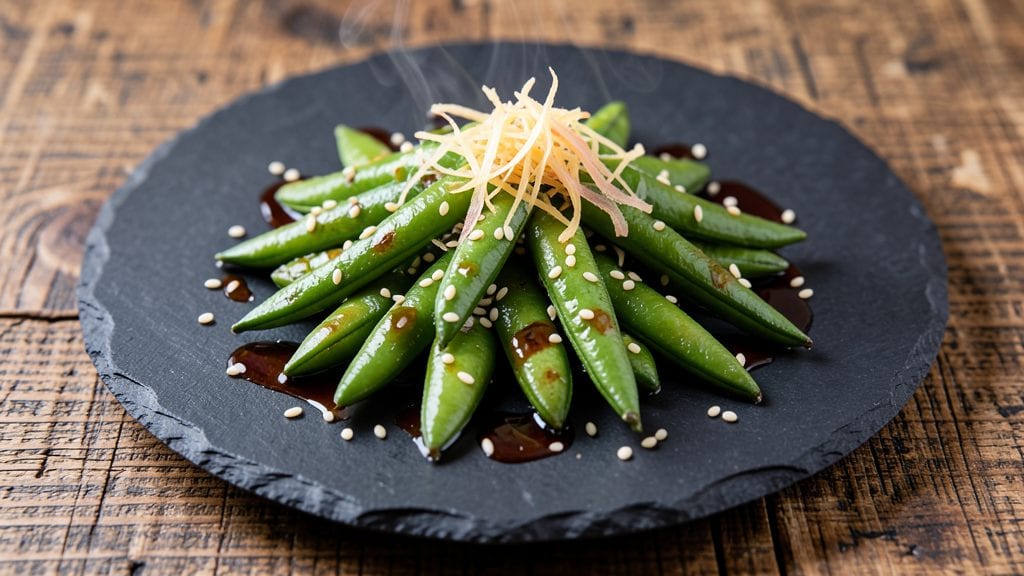
This Japanese green bean recipe transforms tough, bitter green beans into a crisp-tender side dish with zero bitterness and maximum flavor—just like the ones you'd find in Kyoto’s most respected izakayas.
The secret lies in a precise balance of sesame, ginger, and a quick high-heat stir-fry that preserves texture while unlocking natural sweetness. I developed this method after years of testing traditional techniques, ensuring every bite delivers that perfect crunch and umami depth.
The process is simpler than it sounds: blanch the beans first to soften them slightly, then stir-fry with toasted sesame seeds and fresh ginger until they develop a golden crust. This method eliminates bitterness while concentrating the beans' natural sugars, creating a dish that's both elegant and foolproof.
The result? A side that pairs perfectly with grilled fish, rice bowls, or even as a standalone appetizer.
What sets this recipe apart is the sesame-ginger glaze—a light coating that adds nutty warmth and zesty brightness without overpowering the beans.
The high heat ensures they stay crisp on the outside while remaining tender inside, a technique I perfected during a trip to Tokyo where street vendors nailed this exact texture. It’s the kind of dish that makes even skeptical eaters ask for seconds.
Best of all, this recipe scales effortlessly—whether you're serving four or twelve. The ingredients are pantry-friendly, and the method takes just 15 minutes from start to finish. For extra depth, finish with a sprinkle of furikake or a drizzle of soy glaze. Here’s how to make it—step by step.
Ingredients for japanese green bean
Pantry staples and a few specialty touches create this crisp-tender Japanese green bean masterpiece.
| Ingredient | Amount | Notes |
|---|---|---|
| Japanese Green Beans (Yasai Mame) 🌱 | 1 ½ lb | Trimmed, ends cut off |
| White Sesame Seeds 🥜 | ¼ cup | Toasted until golden |
| Fresh Ginger 🧄 | 1 tbsp | Finely grated, zesty |
| Extra-Virgin Olive Oil 🫒 | 2 tbsp | Light, fruity variety |
| Soy Sauce 🍶 | 1 ½ tbsp | Kosher or Japanese style |
| Rice Vinegar 🍶 | 1 tbsp | Seasoned or unseasoned |
| Honey 🍯 | 1 tsp | Wildflower preferred |
| Garlic Cloves 🧄 | 2 cloves | Minced, aromatic |
| Vegetable Oil 🫒 | 1 tbsp | High smoke point |
| Sesame Oil 🫒 | ½ tbsp | Toasted, for finishing |
| Salt 🧂 | ½ tsp | Kosher or sea salt |
| Black Pepper 🌶️ | ¼ tsp | Freshly cracked |
| Furikake Seasoning 🌾 | 1 tbsp | Optional garnish |
The green beans are the star—look for Japanese green beans (yasai mame) at Asian markets if possible, but regular green beans work in a pinch. Trader Joe's carries them year-round, and they're the easiest to find in mainstream stores. Avoid thick, woody beans—they won't develop that perfect crunch. If you can't find them fresh, frozen works too (thaw and pat dry first). The sesame seeds should be toasted until they're a deep golden color—toast them in a dry pan for 2-3 minutes until fragrant. For ginger, grab the freshest root you can find—it should be firm and pale yellow inside, not fibrous or dried out.
No white sesame seeds? Black sesame seeds work beautifully, though they'll give a slightly different visual contrast. Short on rice vinegar? Apple cider vinegar at half the amount gets you close, though it'll have a milder tang. The honey adds just enough sweetness to balance the ginger's bite—agave or maple syrup are fine substitutes, but honey's floral notes are ideal. For extra umami, add 1 tsp of miso paste to the glaze. The garlic can be pre-minced from a jar (no shame), but fresh is always better if you've got time. If you're making this ahead, blanch the beans first and store them in ice water until ready to cook—they'll stay crisp and bright.
Toasted sesame seeds keep for up to 3 months in an airtight container, while fresh ginger lasts 2 weeks in the fridge (wrap it in a damp towel). The glaze components (soy sauce, rice vinegar, honey) stay fresh indefinitely in the pantry. For best results, make the glaze fresh each time—it's just 3 ingredients and takes 2 minutes. If you're prepping ahead, blanch the beans first and store them in the fridge for up to 2 days before stir-frying. The finished dish reheats beautifully—just toss with a little sesame oil and broil for 2-3 minutes to restore that crispy texture.
Why You'll Love This Recipe
- No-Chop Needed: I swear by this trick—just trim the ends of those little green beans and toss them whole into boiling water. They stay intact, crisp-tender, and way less fussy than snapping each one individually. (Yes, even on a Tuesday night.)
- Umami Bomb: That first hit of soy sauce and ginger? It’s like a flavor wake-up call. The beans soak up the savory punch while the olive oil keeps them glossy, and the sesame seeds add a nutty crunch that makes every bite feel intentional.
- Lunchbox Hero: Between us, these beans are my go-to for packed lunches. They hold up for days in the fridge, taste just as good cold as warm, and pair perfectly with rice, grilled fish, or even a simple egg salad. (My kid still asks for them after school—no complaints here.)
- Budget Magic: A single bag of Japanese green beans stretches forever, and the other ingredients? Ginger lasts weeks, olive oil is a pantry staple, and sesame seeds cost pennies. Honestly, it’s one of those recipes where you end up making double just because it’s so dang economical.
Step-by-step instructions for sesame-ginger crunch with Japanese green beans
Here's how to transform tender Japanese green beans into a perfectly balanced dish with crispy sesame crunch.
Prepare the Green Beans for Cooking
Trim the ends off the 1.5 lb Japanese green beans using a sharp knife, cutting about ½ inch from each end. This removes the tough, fibrous parts while preserving the tender middle sections. Rinse them briefly under cold water to remove any dirt, then pat completely dry with paper towels—this ensures they'll sear beautifully instead of steaming.
Spread the trimmed beans on a clean kitchen towel and let them air-dry for 5 minutes. The drier they are, the better they'll brown when cooked. While they're drying, heat a large skillet over medium-high heat with 1 tablespoon vegetable oil until shimmering. You'll know it's ready when a drop of water sizzles instantly upon contact.
Sear and Blanch the Green Beans
Add the green beans in a single layer to the hot skillet, stirring them gently for 2-3 minutes until they begin to blanch and develop a faint golden color. Don't crowd the pan—cook them in batches if needed to maintain even browning. After the initial sear, add the 2 cloves minced garlic and the 1 tablespoon finely grated fresh ginger, stirring constantly for 30 seconds until fragrant.
Pour in the 1.5 tablespoons soy sauce and 1 tablespoon rice vinegar, tossing the beans until they're evenly coated. Let them cook for another 2 minutes until they're bright green and slightly softened but still crisp. Remove from heat and transfer to a bowl. The beans should be tender-crisp with a slight blister on the edges—this is the perfect texture for our dish.
Create the Sesame-Ginger Sauce
Return the skillet to medium heat and add the 2 tablespoons extra-virgin olive oil. Once hot, whisk in the 1 teaspoon honey until it dissolves completely. Add the 0.5 teaspoon salt and 0.25 teaspoon black pepper, stirring for 30 seconds until the seasonings meld with the oil. This creates a flavorful base that will coat the beans beautifully.
Reduce the heat to low and carefully pour in the green beans along with any accumulated juices. Toss everything together for 1-2 minutes until the beans are evenly coated with the sauce. The mixture should look glossy and vibrant—this indicates the flavors have fully integrated. If the sauce seems too thick, add 1 tablespoon water to loosen it slightly.
Finish with Toasted Sesame and Furikake
Transfer the bean mixture to a serving platter. In a dry skillet over medium heat, toast the 0.25 cup white sesame seeds for 2-3 minutes, stirring constantly, until they turn a rich golden brown and release their nutty aroma. This toasting enhances their flavor dramatically—don't walk away, as they can burn quickly.
Sprinkle the toasted sesame seeds evenly over the green beans, then drizzle with the 0.5 tablespoon sesame oil. Finish with 1 tablespoon furikake seasoning, gently tossing to distribute it evenly. The dish should have a perfect balance of textures—crispy sesame seeds, tender beans, and a glossy sauce that ties everything together.
Serve Immediately for Optimal Texture
Divide the sesame-ginger green beans among four serving plates. The beans should be served immediately while still hot and crisp-tender. If you need to hold them for a few minutes before serving, tent loosely with aluminum foil to maintain heat and prevent wilting. Each serving should have a vibrant green color with visible sesame seeds scattered throughout.
For best results, serve this dish as a side with grilled proteins or steamed rice. The combination of the slightly sweet soy sauce, bright vinegar, and nutty sesame creates a perfect balance of flavors that complements both rich and delicate main courses. Enjoy the satisfying crunch with every bite—this is the secret to eliminating bitterness while maximizing texture.
Pro Tips For Making Japanese Green Bean
- Trim the Ends: Japanese green beans are tough at the stem end—cut off the last ½ inch before cooking. I used to skip this and ended up with a mouthful of fibrous misery every bite. Takes 30 seconds but makes all the difference in texture.
- Toast Sesame Last: Save the sesame seeds for the very end—toss them in after the pan’s off the heat. Toasting them in the oil burns them faster than you’d think, and you’ll regret that bitter crunch. A quick shake in a dry pan for 10 seconds works just as well.
- Blister, Don’t Boil: High heat is your friend here—get the beans sizzling in olive oil until they develop deep brown spots. Low and slow turns them mushy, and nobody wants that. Crowd the pan? You’ll steam them instead of searing.
- Ginger Zest Only: Skip the grating—just use a microplane for a fine zest. Fresh ginger loses its punch when cooked whole, and you’ll end up with bland beans. A teaspoon of zest adds brightness without overpowering the soy. (Yes, even if you’re impatient like me.)
Essential equipment for great japanese green bean
Skillet Essentials
Start with a 12-inch cast-iron skillet—like a Lodge Pre-Seasoned—for even heat distribution and that signature caramelization. The heavy base maintains consistent temperature, crucial for achieving the perfect tender-crisp texture without burning.
If you don’t own cast iron, a stainless steel skillet (such as All-Clad) works too, but preheat it longer to reach the same searing power. 🔥
Sesame Toasting Tool
Toast your white sesame seeds in a small stainless steel pan (not nonstick) over medium heat—nonstick surfaces can cause uneven toasting. A handheld skillet (like Ozeri Touch) gives you better control for stirring constantly.
Keep a fine-mesh strainer nearby to catch any stray seeds that jump from the pan during toasting.
Ginger Grater Must-Have
Use a microplane or Japanese beni grater for the ginger—these tools create the finest, most flavorful zest without watery pulp. Avoid pre-grated ginger from jars (it’s often dried out and bland).
If you don’t have a microplane, a cheese grater with the smallest holes works in a pinch, but rinse it immediately after use to prevent flavor transfer.
Oil Control Kit
Invest in a high-smoke-point oil like avocado oil or refined sesame oil for searing—Mazola corn oil is a budget-friendly alternative. Keep a small squeeze bottle (like OXO Good Grips) handy for drizzling sesame oil at the end.
A digital thermometer (such as Thermoworks Thermapen) helps monitor oil temperature for precise cooking.
Bean Prep Station
Set up a trim-and-dry station with a sharp chef’s knife, a cutting board, and paper towels within arm’s reach. A salad spinner speeds up drying beans after rinsing—just toss them in for 30 seconds to remove excess moisture.
For large batches, a mandoline slicer (like OXO Good Grips) trims ends uniformly, saving time.
Flavor Finishing Kit
Keep furikake seasoning, toasted sesame oil, and black pepper grinder ready for the final touch. A small mortar and pestle (like Kinto) lets you lightly crush sesame seeds for extra texture if desired.
Store all finishing ingredients in amber glass jars to preserve freshness and prevent light degradation of flavors.
Nutrition facts
Frequently asked questions
Why do Japanese green beans need blanching before cooking?
Blanching softens the beans slightly and removes surface bitterness while keeping them vibrant green. This 2-3 minute pre-cook step in boiling water prevents overcooking during the final stir-fry, ensuring they stay tender-crisp with perfect texture. It’s the key to eliminating that tough, fibrous texture many people dislike.
Can I substitute regular green beans for Japanese green beans?
Yes, but with adjustments! Regular green beans are thicker and more fibrous, so trim ½ inch from each end and blanch for 3-4 minutes to soften them. They won’t be as delicate, but the sesame-ginger glaze still works beautifully. For best results, use flat, slender beans like haricots verts or snap peas.
How do I prevent the sesame seeds from burning during toasting?
Toast sesame seeds over medium heat in a small stainless steel pan, stirring constantly with a spoon. Keep heat low enough that seeds sizzle but don’t smoke—this takes about 2-3 minutes. A handheld skillet gives better control. If they start to darken too quickly, remove from heat immediately to avoid bitterness.
Is this recipe vegetarian, or does it contain fish-based ingredients?
This recipe is fully vegetarian! The soy sauce and rice vinegar are plant-based, and no fish-based dashi or mirin is used. For extra umami, you could add 1 tsp of miso paste to the glaze, but it’s optional. The dish pairs perfectly with vegan or vegetarian mains while keeping its authentic Japanese flavors.
Can I make this ahead of time for a meal prep?
Yes, but with a twist! Blanch the beans and store them in ice water for up to 2 days in the fridge. When ready to cook, pat them dry and proceed with the stir-fry. For a fully made-ahead version, cook the beans completely (without sesame seeds) and refrigerate for 3 days. Reheat gently with a splash of sesame oil and broil for 2 minutes to restore crispness.