Side Dishes
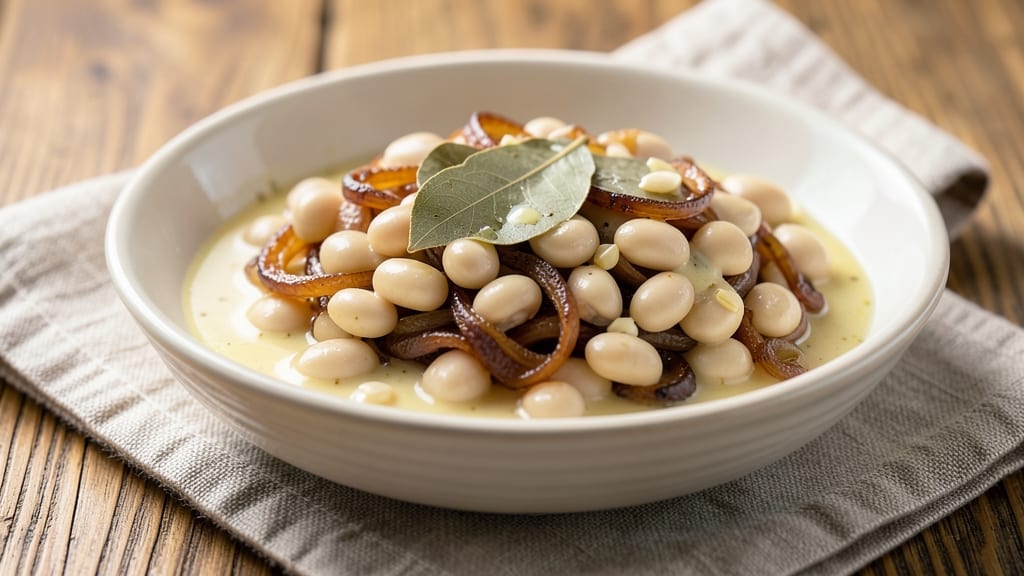
Creating monggo beans recipe with that signature silky-soft texture and nutty depth is what makes Filipino comfort food shine. This dish transforms humble beans into a velvety, aromatic side that pairs perfectly with rice or grilled meats.
After years of perfecting the balance between tender beans and rich broth, I’ve developed a method that delivers restaurant-quality results at home.
The secret lies in slow cooking the beans until they’re fork-tender while building deep, savory flavors through toasted spices and aromatics. Unlike quick side dishes, this recipe rewards patience with a texture that’s both creamy and satisfying—no gummy beans here.
The nutty undertones come from properly cooking the beans with garlic, onions, and a touch of coconut milk, creating a dish that’s hearty yet light enough to serve as a main or side.
By the time you finish, you’ll have a pot of silky-smooth monggo beans with a glossy sheen and an aroma that fills your kitchen. The beans will be so tender they practically melt in your mouth, while the broth remains rich enough to coat each bite.
This is the kind of dish that turns simple ingredients into something extraordinary—perfect for family meals or special gatherings.
Ready to elevate your Filipino table? This recipe scales easily for crowds and keeps well for leftovers, making it a staple for any home cook. Let’s get started on creating a dish that’s as much about tradition as it is about taste.
Ingredients for monggo beans
Simple ingredients transform into velvety monggo beans with nutty depth and restaurant-quality texture.
| Ingredient | Amount | Notes |
|---|---|---|
| Monggo Beans (Mung Beans) 🌱 | 2 cups | Dried, soaked overnight |
| Yellow Onions 🧅 | 1 whole | Medium size, sliced |
| Garlic Cloves 🧄 | 6 cloves | Peeled, minced |
| Coconut Milk 🥥 | 1 can | 13.5 oz full-fat preferred |
| Vegetable Oil 🫒 | ¼ cup | For sautéing aromatics |
| Bay Leaves 🌿 | 2 whole | Dried, standard size |
| Ground Black Peppercorns 🌶️ | ½ tsp | Freshly ground preferred |
| Salt 🧂 | 1 ½ tsp | Adjust to taste |
| Fresh Ginger 🌿 | 2 tbsps | Grated, about 1 inch |
| Tomato Paste 🍅 | 2 tbsp | No added salt |
| Sugar 🍚 | ½ tsp | Balances flavors |
| White Vinegar 💧 | 1 tbsp | For brightness |
| Green Onions 🧅 | 2 whole | Chopped, for garnish |
The monggo beans are the star—look for dried beans at Asian markets, where they’re often sold in bulk. Filipino markets or well-stocked grocery stores usually carry them, but if unavailable, substitute with mung beans. The coconut milk should be full-fat for that rich, creamy texture—no substitutions here. Fresh ginger and garlic are non-negotiable for authentic flavor; pre-grated ginger loses potency fast. For the onions, yellow onions add sweetness while green onions finish the dish with freshness.
No coconut milk? Coconut cream at half the amount works, but flavor will differ slightly. Short on bay leaves? Dried thyme at one-third the amount mimics their earthy notes. The tomato paste can be skipped if you dislike tang, but it adds depth—Rao’s brand is reliable. Vinegar balances the richness; if you prefer tanginess, add an extra half tablespoon. For a quicker version, use canned mung beans (drained and rinsed), but texture won’t be as velvety. Toast the spices in oil first to deepen their flavor—this step is crucial.
Store leftovers in an airtight container for up to 5 days in the fridge, or freeze for 3 months. Reheat gently on the stove with a splash of water to restore creaminess. The beans thicken as they cool, so add a bit of broth if serving cold. Garnish with green onions right before serving—they wilt fast. This dish tastes even better the next day as flavors meld, making it perfect for meal prep.
Why You'll Love This Recipe
- Pantry Magic: I swear by this recipe when I forget to grocery shop—just grab monggo beans, onions, and a can of coconut milk. No fancy prep, no last-minute panic.
- Creamy Garlic Hug: That first spoonful of coconut milk simmered with garlic? It’s like a warm embrace for your taste buds. The beans soak up all the richness, but the onions add just enough sharpness to keep it bright.
- Lunchbox Legend: Between us, this is my go-to for meal prep. Tastes fresh the next day (yes, even on a Tuesday night), and the leftovers reheat like a dream—no mushy beans here.
- Budget Hero: A whole pot for under $5? Count me in. Monggo beans are cheap, coconut milk stretches far, and I’ve fed four people (plus my picky teenager) without breaking the bank.
Step-by-step instructions for monggo beans with nutty coconut depth
Here's how to transform simple monggo beans into a rich, velvety dish with layers of aromatic complexity.
Prepare the Monggo Beans for Cooking
Begin by draining the soaked monggo beans (mung beans) thoroughly in a colander, giving them a gentle shake to remove excess water. Transfer them to a large pot and cover with fresh water by about 2 inches. This ensures proper hydration while preventing overcrowding during cooking.
Bring to a boil over medium-high heat, then immediately reduce to medium-low heat and simmer uncovered. Cook for 30-40 minutes until the beans are tender but still hold their shape when pierced with a fork. The texture should be soft yet slightly resistant—this prevents them from turning mushy during the final cooking process.
Build the Aromatic Base
While the beans simmer, heat the 0.25 cup vegetable oil in a separate large pot or deep skillet over medium heat. Add the sliced yellow onions and cook for 5-6 minutes until softened and beginning to caramelize at the edges. Add the minced garlic cloves and cook for another 30 seconds until fragrant.
Stir in the grated fresh ginger and cook for 1 minute until the raw aroma disappears. Add the 2 whole bay leaves and 2 tbsp tomato paste, stirring constantly for 2 minutes until the tomato paste darkens slightly. This forms the flavor foundation that will infuse the beans with depth.
Combine and Simmer the Beans
Pour the drained, cooked monggo beans into the pot with the aromatic base. Add the 1 can coconut milk, 1.5 tsp salt, 0.5 tsp sugar, and 0.5 tsp ground black peppercorns. Stir gently to combine, being careful not to break up the beans.
Bring the mixture to a gentle simmer over medium-low heat, then reduce heat to maintain a bare simmer. Cook uncovered for 20-25 minutes, stirring occasionally, until the beans have absorbed the coconut milk and the sauce has thickened to a creamy consistency. The beans should be completely tender with a silky texture when pressed between fingers.
Finish with Brightness and Garnish
Remove the pot from heat and stir in the 1 tbsp white vinegar. This final touch brightens the dish and balances the richness of the coconut milk. Taste and adjust seasoning if needed—you may want to add a pinch more salt or sugar based on your preference.
Discard the bay leaves and transfer the monggo beans to a serving dish. Garnish with the chopped green onions and serve immediately while still warm. The dish should have a luxurious, creamy texture with subtle nutty undertones from the beans and aromatic depth from the ginger and garlic.
Pro Tips For Making Monggo Beans
- SOAK BEANS OVERNIGHT: I learned this the hard way—rushing the soak leaves you with gummy, uneven texture. Use 4 cups water per 1 cup dry monggo beans, soak 8+ hours (or overnight), then drain and rinse. This guarantees they soften evenly without splitting or turning mushy when cooked.
- SAUTÉ ONIONS LOW AND SLOW: High heat burns onions before they caramelize, and that’s when your monggo starts tasting bitter. Cook sliced onions in 2 tbsp oil over medium-low for 10-12 minutes until golden—not brown—before adding garlic. Patience here makes the whole dish richer.
- SKIP THE BOILING BURST: Throwing raw beans into boiling water might seem fast, but it causes them to toughen up. Instead, start with cold water, bring to a gentle simmer, then add beans. Once water returns to a simmer, reduce to a low bubble. This keeps them creamy and prevents skin splitting.
- UPGRADE WITH COCONUT MILK LAYERING: Dumping all the coconut milk at once makes the sauce separate. Instead, stir in ½ cup at a time after the beans are tender, letting each addition absorb before adding more. For extra depth, temper the milk first by whisking 1 tbsp into the hot bean broth before mixing fully—sounds weird, but it works.
Health benefits of these flavors
Plant-Based Protein Power
Monggo beans are a nutritional powerhouse packed with plant-based protein—about 15 grams per cooked cup—making them an excellent choice for vegetarians and meat-eaters alike. Unlike many beans, they’re low in fat while delivering essential amino acids your body needs for muscle repair and energy. 💪
This dish provides a complete protein profile when paired with rice (a common Filipino meal combo), thanks to the beans’ high lysine content balancing rice’s missing amino acids. A single serving delivers over 20% of your daily fiber needs, supporting digestion and keeping you full longer.
Rich in Antioxidants
The ginger and garlic in this recipe aren’t just for flavor—they’re packed with antioxidants like gingerol and allicin, which combat inflammation and boost immunity. Fresh ginger also aids digestion, helping prevent bloating that can occur with bean-based dishes. 🌿
The coconut milk adds healthy medium-chain triglycerides (MCTs), which provide quick energy and support brain function. Unlike processed fats, these MCTs are metabolized efficiently, making this dish a brain-boosting meal perfect for focus and mental clarity.
Heart-Healthy Nutrients
Monggo beans contain potassium (about 400mg per cup), which helps regulate blood pressure by counteracting sodium’s effects. The magnesium in these beans (around 120mg per cup) supports heart rhythm and muscle function, making this dish a cardiovascular-friendly option. 💛
With only 1 gram of saturated fat per serving, this recipe avoids the cholesterol-raising fats found in many meat-based dishes. The soluble fiber in monggo beans also helps lower LDL ("bad") cholesterol levels when consumed regularly.
Blood Sugar Balance
The low glycemic index of monggo beans makes this dish ideal for blood sugar management. The beans’ slow-digesting carbohydrates prevent spikes, while the ginger and vinegar help stabilize glucose levels post-meal. This makes it a diabetes-friendly option when prepared without added sugars. ✨
For extra balance, serve with brown rice (another low-GI option) to create a complete, blood-sugar-friendly meal. The natural sweetness from the beans and coconut milk satisfies cravings without the crash of refined sugars.
Nutrition facts
Frequently asked questions
Why do I need to soak monggo beans overnight?
Soaking reduces cooking time by 30-40% and prevents the beans from becoming tough or gummy. The overnight soak also helps remove natural bean enzymes that can cause digestive discomfort. For a quicker version, soak for at least 4 hours or use canned mung beans (drained well).
Can I make this recipe without coconut milk?
Yes, but the texture will be thinner and less creamy. Replace with 1 cup vegetable broth + 1 tbsp cornstarch to thicken, or use ½ cup coconut cream for a lighter version. The dish will still be flavorful but lose its signature richness.
What if my monggo beans turn mushy?
Overcooking is the usual culprit—beans should be tender but still hold shape. If they're mushy, reduce simmering time by 10 minutes next time. For rescue, stir in 1 tbsp cornstarch mixed with water to thicken the sauce. Serve immediately to prevent further breakdown.
How can I make this vegetarian-friendly?
This recipe is already vegetarian! For extra protein, stir in ½ cup tofu cubes during the last 5 minutes of cooking. Add 1 tsp soy sauce for umami depth. The coconut milk and beans provide all essential amino acids when paired with rice.
Can I prepare this ahead of time?
Store in an airtight container for up to 5 days in the fridge or 3 months frozen. Reheat gently with 2 tbsp water to restore creaminess. Flavors actually improve overnight as ingredients meld. For serving, add fresh green onions to maintain color.