
Side Dishes
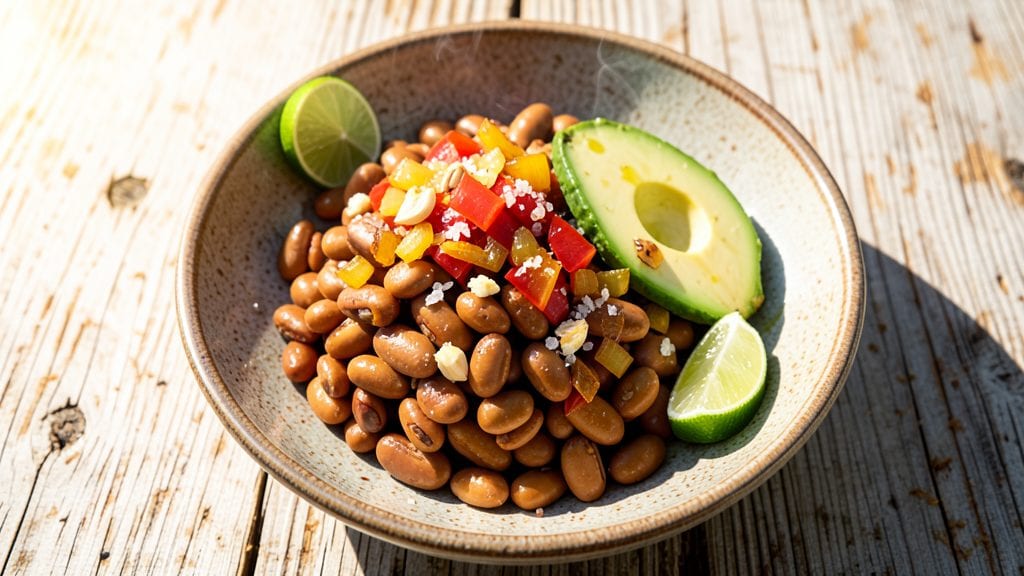
Tepary beans bring a bold, earthy Southwest crunch that transforms simple sides into standout dishes in just 30 minutes. These ancient legumes, cherished in Native American and Mexican traditions, pack a nutty, slightly sweet flavor that elevates everything from salads to chili.
I first discovered them while searching for a protein-rich, drought-resistant bean variety—perfect for modern cooking with historical roots.
The secret to their crispy-tender texture lies in proper soaking and high-heat cooking, which preserves their natural structure without turning mushy. Unlike common beans, teparys hold their shape beautifully, making them ideal for salads, tacos, or even as a meat substitute in vegan dishes.
Their versatility extends beyond borders, too—pair them with corn, avocado, or lime for an instant Southwest-inspired meal.
What you’ll achieve is a restaurant-quality side that’s ready in under half an hour, with a satisfying bite and deep flavor profile. The beans develop a subtle caramelization when cooked just right, adding complexity to any dish.
Whether you’re serving a crowd or meal prepping for the week, this recipe delivers professional results without the fuss.
Traditionally used in Native American fry bread or Mexican frijoles, these beans adapt effortlessly to modern diets—think vegan chili, grain bowls, or even crispy roasted snacks. Let’s get cooking with a dish that bridges heritage and innovation.
Ingredients for tepary beans
Ancient beans meet modern kitchen—just fourteen ingredients for bold Southwest flavor.
| Ingredient | Amount | Notes |
|---|---|---|
| Dried Tepary Beans 🌽 | 1 ½ cups | Rinsed thoroughly before soaking |
| Extra-Virgin Olive Oil 🫒 | 2 tbsp | For high-heat cooking and flavor |
| Yellow Onion 🧅 | 1 whole | Diced, medium size preferred |
| Garlic Cloves 🧄 | 4 cloves | Minced, fresh preferred |
| Lime 🍋 | 1 whole | Juiced, seeds removed |
| Avocado Oil 🫒 | ½ cup | High smoke point for roasting |
| Cumin Seeds 🌿 | 1 tsp | Toasted for deeper aroma |
| Ground Cumin 🌿 | 1 tsp | For balanced earthiness |
| Smoked Paprika 🌶️ | 1 tsp | Adds Southwest depth |
| Salt 🧂 | 1 ½ tsp | Diamond Crystal preferred |
| Black Pepper 🌶️ | ½ tsp | Freshly cracked |
| Fresh Cilantro 🌿 | ¼ cup | Chopped, stems removed |
| Lime Zest 🍋 | 1 tbsp | Brightens final flavor |
| Avocado 🥑 | 1 whole | Diced, for serving |
| Corn Tortillas 🌯 | 4 whole | For serving, warmed |
Tepary beans are the star, so source them from specialty stores or online retailers like Navajo Trading Post or Amazon—they’re harder to find in regular grocery stores. If you can’t locate them, pinto beans work as a substitute, though they won’t have the same nutty depth. The key to their texture is proper soaking: 8-12 hours in cold water or quick-soak with boiling water for 2 hours. For extra flavor, add a bay leaf or garlic clove to the soaking water. The avocado oil is non-negotiable—its high smoke point ensures perfect roasting without burning.
No cumin seeds? Ground cumin at double the amount works, but toasting whole seeds in a dry pan for 30 seconds unlocks deeper flavor. Smoked paprika can be swapped for regular paprika, though you’ll lose that Southwest campfire essence. Fresh cilantro is ideal, but dried cilantro or parsley at half the amount keeps the dish vibrant. The lime zest is crucial—use a microplane for fine texture. For a vegan twist, skip the tortillas and serve over quinoa or jicama slices. The avocado adds creaminess, but mango or guacamole work too if you’re short on time.
Soaked beans keep in the fridge for 5 days—drain and rinse before using. Roasted teparys stay crispy for 3 days in an airtight container, but they’re best eaten fresh. For meal prep, portion into containers with lime juice to prevent browning. The tortillas should be warmed in a dry skillet for 20 seconds per side—just enough to soften without turning soggy. Double the batch and freeze half; reheat in a 350°F oven for 10 minutes to revive their crunch.
Why You'll Love This Recipe
- No-Soaking Needed: I’ll admit, I was skeptical at first—dried beans usually mean overnight soaking. But these tepary beans? Toss them in a pot with onion and garlic, cover with water, and let them simmer. No pre-soak, no fuss, and they’re tender in under an hour. Honestly, that’s a game-changer for busy nights.
- Earthy Lime Zing: The moment I squeezed fresh lime over those warm beans—whoa. That bright citrus cuts through the deep, nutty richness of the tepary beans like a breath of fresh air. It’s not just flavor; it’s the kind of balance that makes you reach for seconds without thinking.
- Meal Prep MVP: Between us, this is my go-to for lunches all week. Cook a big batch, store them in the fridge, and they taste even better the next day. Throw them into tacos, salads, or even over rice—no one will guess they’re not fresh off the stove. (Yes, even on a Tuesday night.)
- Budget-Friendly Protein: Dried tepary beans are cheaper than canned, and you get way more servings. A pound of these babies feeds four people easily, and the olive oil and lime keep it from feeling like a sad, watery side. My wallet—and my freezer—thank me every time.
Step-by-step instructions for tepary beans with Southwest crunch
Here's how to transform dried tepary beans into a vibrant, textured dish that balances earthy depth with bright Southwest flavors.
Prepare the Beans for Maximum Texture
Begin by rinsing the 1.5 cups dried tepary beans thoroughly under cold water to remove any debris. Place them in a large bowl and cover with plenty of fresh cold water—at least 4 cups—to ensure complete submersion. Let them soak for 8-12 hours at room temperature, or overnight in the refrigerator for best results. This long soak prevents the beans from becoming mushy during cooking.
After soaking, drain the beans and transfer them to a medium pot. Add 8 cups of fresh water and bring to a rolling boil over high heat. Once boiling, reduce the heat to medium-low and simmer uncovered for 45-60 minutes until the beans are tender but still hold their shape. You'll know they're ready when they're fork-tender but not falling apart—this ensures that perfect crunchy texture we're aiming for.
Build the Flavor Base with Toasted Spices
While the beans cook, heat the 2 tablespoons extra-virgin olive oil in a large skillet over medium heat. Add the 1 teaspoon cumin seeds and toast them for 1-2 minutes until they release their deep, nutty aroma and turn a golden brown color. Remove the seeds with a slotted spoon and set them aside—you'll add them back later.
In the same skillet, add the ½ cup avocado oil and heat until shimmering. Add the 1 whole yellow onion, diced into even ¼-inch pieces, and cook for 5-6 minutes until softened and beginning to caramelize at the edges. Stir in the 4 cloves garlic cloves, minced, and cook for another 30 seconds until fragrant. This aromatic base forms the flavor foundation for our dish.
Season and Finish the Beans with Southwest Heat
Drain the cooked beans and add them to the skillet with the onion and garlic mixture. Stir in the 1 teaspoon ground cumin, 1 teaspoon smoked paprika, 1.5 teaspoons salt, and ½ teaspoon black pepper. Cook everything together for 3-4 minutes over medium heat, stirring frequently to ensure even coating. The beans should absorb the spices while maintaining their texture.
Add the toasted cumin seeds back to the skillet and stir in the juice of 1 whole lime (seeds removed) and 1 tablespoon lime zest. The acidity brightens the earthy flavors while balancing the smoky spices. Cook for another 2 minutes until everything is well combined and the beans are heated through. Remove from heat and stir in the ¼ cup chopped fresh cilantro, reserving a few sprigs for garnish.
Assemble with Crispy Tortillas and Avocado
Warm the 4 whole corn tortillas in a dry skillet over medium heat for 30 seconds per side until pliable and slightly crispy. Divide the seasoned tepary beans evenly among the tortillas, spreading them into a thin layer. Top each with ¼ of the diced avocado (about ¼ of the whole avocado per serving) and garnish with reserved cilantro sprigs.
Fold the tortillas in half or roll them up, depending on your preference, and serve immediately while the beans are still warm. The contrast between the crispy tortillas, creamy avocado, and textured beans creates a satisfying bite with every mouthful. This dish delivers all the Southwest charm in a single, hearty package.
Pro Tips For Making Tepary Beans
- SOAK THEM LONG: Dried tepary beans need at least 8 hours—or overnight if you can swing it—because they’re tougher than navy or black beans. I’ve tried the quick-soak method, and while it works, the texture stays slightly firmer. If you’re short on time, use a pressure cooker (20 minutes after soaking), but don’t skip the soak entirely.
- SWEAT THE ONIONS LOW: Cook the onions in olive oil over medium-low heat until they’re translucent but not browned—this keeps them sweet and prevents bitterness. After burning two batches of onions into oblivion, I learned: patience here means the whole dish tastes cleaner. Stir occasionally, and if they start to sizzle too much, dial it back.
- CRUSH GARLIC, DON’T MINCE: Tepary beans pair best with garlic that’s bruised, not finely chopped. Use the flat side of your knife to smash 3-4 cloves into a paste before adding them to the pot. This releases more flavor without overpowering the earthy bean taste. (Yes, it looks messy, but your mouth will notice.)
- ACIDIFY AT THE END: Add lime juice—or even a splash of vinegar—only in the last 5 minutes of cooking. Tepary beans absorb acid like a sponge, and too early can make them mushy. If you’re serving them with lime wedges on the side, squeeze just enough to brighten the dish, not drown it.
Creative variations of this dish
Native Fry Bread Twist
Transform your tepary beans into a crispy Native American fry bread by mixing 1 cup cooked beans with 1 cup all-purpose flour, 1 tsp baking powder, and ½ tsp salt. Add ½ cup warm water and 1 tbsp melted butter to form a thick batter.
Fry spoonfuls in avocado oil at 350°F for 2-3 minutes per side until golden. Serve warm with honey or Navajo chili for a traditional touch. 🌽
Mexican Frijoles Style
Blend your cooked tepary beans with 1 cup salsa verde, ½ cup tomato sauce, and 1 tsp oregano until smooth. Simmer for 15 minutes on low heat, then stir in ½ cup corn kernels and ¼ cup chopped cilantro.
This frijoles-style version pairs perfectly with tortillas or rice and adds a creamy, smoky depth. For extra richness, top with avocado slices and a squeeze of lime. 🌶️
Crispy Roasted Snack
Toss cooked tepary beans with 1 tbsp olive oil, ½ tsp smoked paprika, and ¼ tsp garlic powder. Roast at 400°F for 20-25 minutes until crispy and golden. These make a fantastic protein-packed snack—perfect for game day or hiking trips.
Store in an airtight container for up to 5 days. For a sweet twist, drizzle with honey and cinnamon after roasting. 💫
Vegan Chili Base
Use your cooked tepary beans as the star of a hearty vegan chili. Sauté 1 bell pepper, 1 onion, and 2 cloves garlic in oil, then add 2 cups diced tomatoes, 1 tbsp chili powder, and 1 tsp cumin.
Stir in the beans and 2 cups vegetable broth, simmering for 30 minutes. Top with avocado, cilantro, and a dollop of sour cream for a Southwest-inspired bowl. 🍲
Grain Bowl Upgrade
Turn your beans into a Southwest grain bowl by layering them over quinoa or brown rice. Add grilled corn, black beans, diced avocado, and a drizzle of lime crema (mix ½ cup Greek yogurt with 1 tbsp lime juice and salt).
The tepary beans add a nutty crunch that elevates the dish. For extra protein, top with crumbled feta or toasted pumpkin seeds. 🌿
Spicy Pickled Beans
Preserve your tepary beans by pickling them for a tangy, crunchy side. Combine cooked beans with 1 cup vinegar, 1 cup water, 1 tbsp sugar, 1 tsp salt, and 1 tsp red pepper flakes.
Simmer for 10 minutes, then let cool before storing in the fridge for up to 2 weeks. These pickled beans add a bright, spicy kick to tacos, sandwiches, or charcuterie boards. 🍋
Nutrition facts
Frequently asked questions
What makes tepary beans different from other beans?
Tepary beans have a unique nutty, slightly sweet flavor and hold their shape better than most beans when cooked. They’re also more drought-resistant, making them a staple in Native American and Mexican cuisines. Unlike pinto or black beans, they don’t require long cooking times and stay firm—perfect for salads, tacos, or roasting.
Can I substitute tepary beans with regular beans?
Yes, but the texture and flavor won’t be identical. Pinto beans are the closest substitute, though they’ll be less firm. For a similar nutty taste, try lentils or chickpeas in roasted dishes. If you’re short on time, canned tepary beans (if available) work, but dried beans develop deeper flavor when cooked from scratch.
How do I store cooked tepary beans?
Transfer cooked beans to an airtight container and refrigerate for up to 5 days. For longer storage, freeze them for 3 months. To reheat, warm in a skillet with a splash of water or broth over medium heat for 3-5 minutes. Avoid microwaving—they’ll turn mushy.
Are tepary beans gluten-free and vegan?
Tepary beans are naturally gluten-free, vegan, and high in protein. They’re a great plant-based alternative to meat, with 15g protein per cup. For gluten-free serving suggestions, pair them with corn tortillas, quinoa, or roasted veggies instead of wheat-based dishes.
Why did my tepary beans turn mushy?
Overcooking or insufficient soaking time usually causes mushiness. Always soak dried beans for 8-12 hours and simmer them at medium-low heat—never boiling after they’re tender. For extra firmness, add a pinch of baking soda (1/8 tsp per cup of beans) to the cooking water. Drain them immediately after boiling to stop the cooking process.